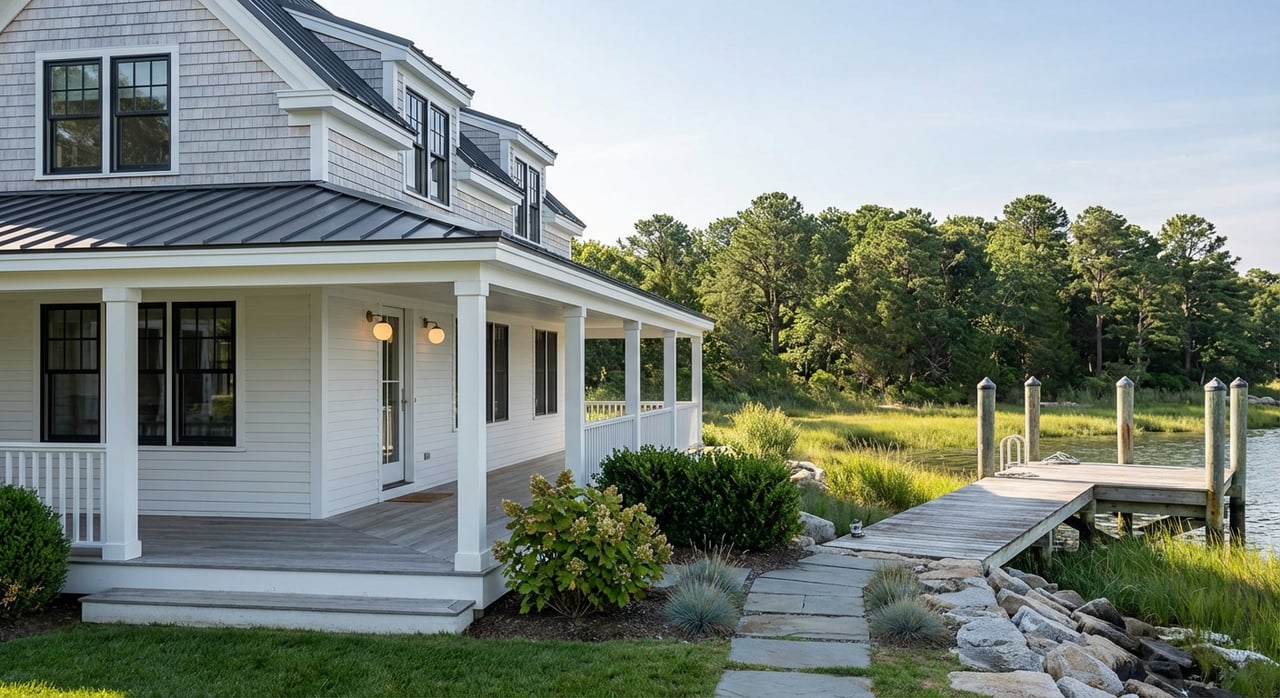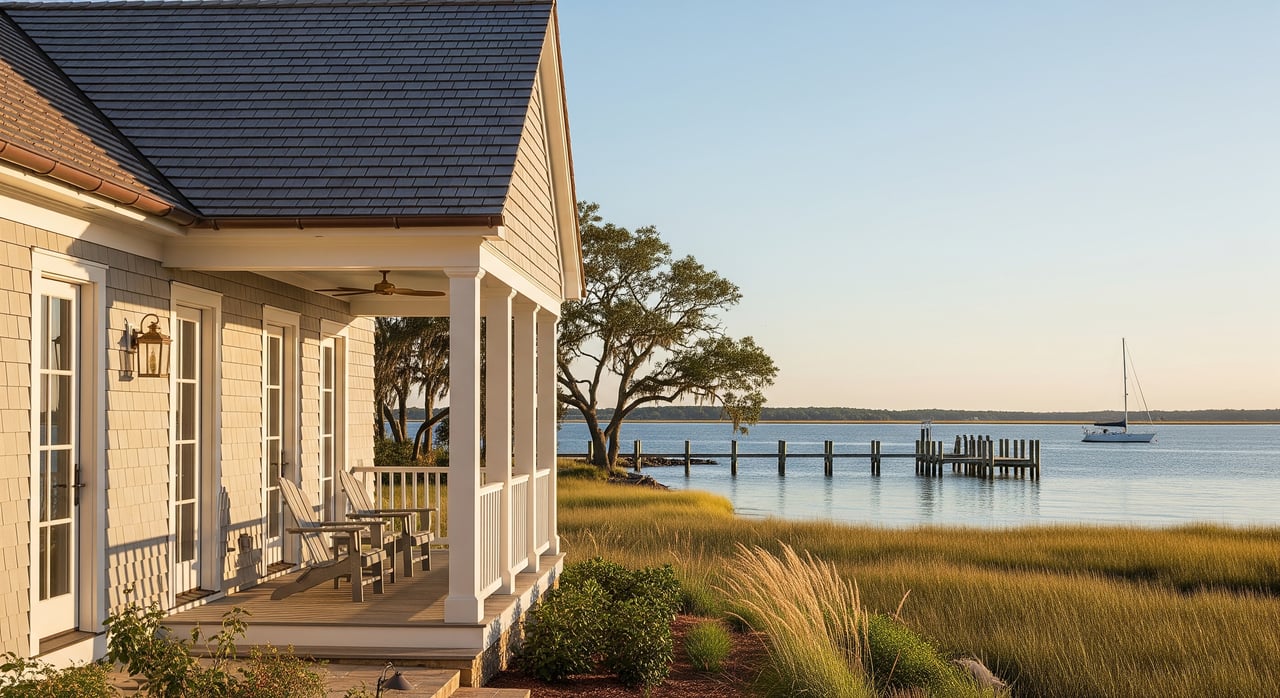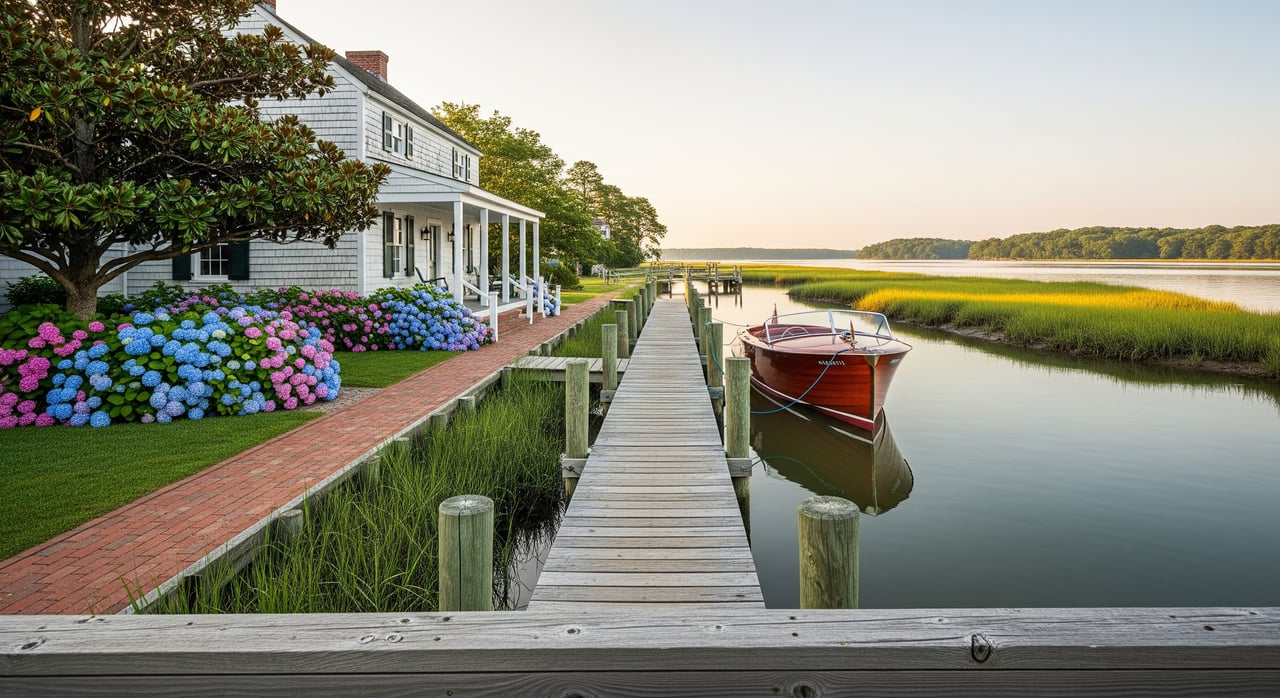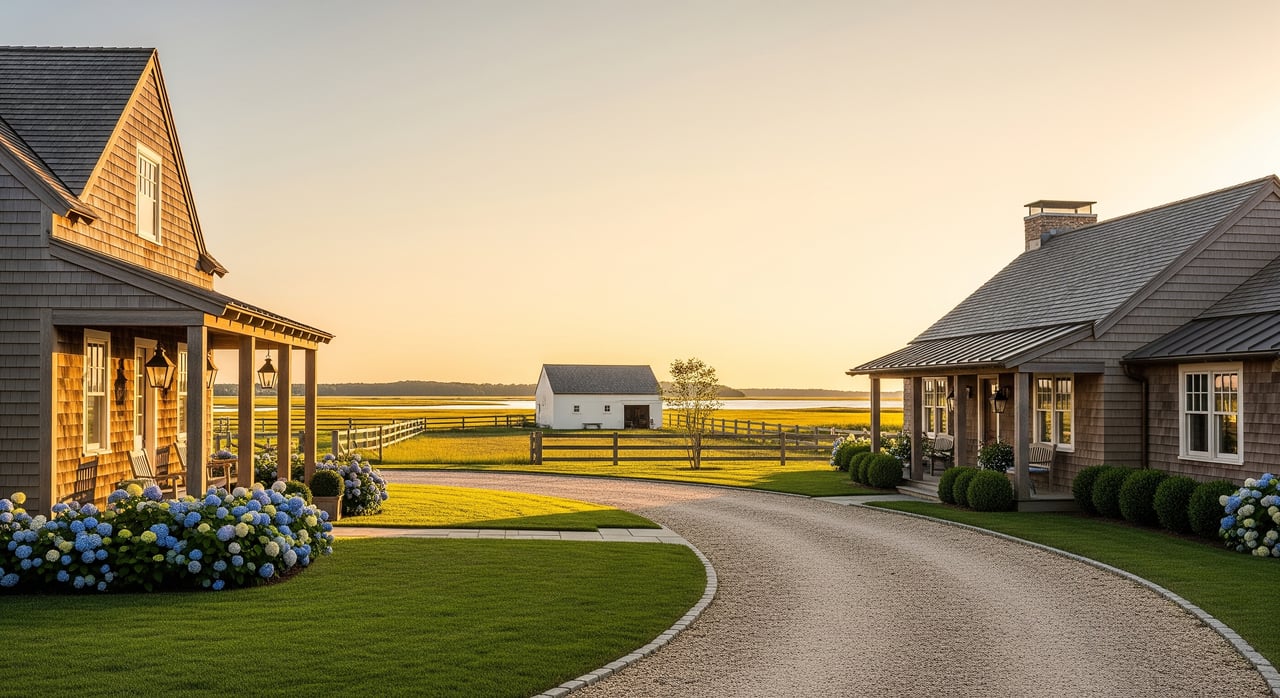
Picture your weekends on the Rappahannock, mornings at the marina, and quiet evenings on the porch. If you are weighing a cozy in-town cottage, a single-level ranch, or a small-acreage farmette near Urbanna, the right choice comes down to lifestyle, upkeep, and the realities of coastal property. You want easy living without surprises. In this guide, you will compare maintenance needs, lot sizes, utilities, flood and permitting factors, and day-to-day fit for each option in Urbanna and Middlesex County. Let’s dive in.
How Urbanna’s setting shapes your choice
Urbanna sits on tidal waterways that connect to the Rappahannock River and Chesapeake Bay. This coastal setting defines much of your decision.
- Water proximity: Tidal creeks and rivers add boating and fishing access, but they also raise flood risk and bring shoreline rules that affect what you can build or clear.
- Climate: Mild winters and humid summers are typical of the coastal Mid-Atlantic. Tropical systems and nor’easters can influence roof choices, HVAC, and storm prep.
- Utilities: Many properties outside the town core use private wells and on-site septic. Municipal water or sewer may be limited to specific areas, so verify for each address.
- Flooding: Some parcels fall within FEMA flood zones or face tidal flooding concerns. You should review flood maps and elevation data for every property you consider.
- Services and access: Urbanna offers small-town amenities like restaurants, marinas, and seasonal events. Broader medical services and full hospitals are in larger nearby towns, so check travel times that fit your needs.
- Local rules: Building, zoning, and health departments guide setbacks, accessory structures, and septic permits. Shoreline and Chesapeake Bay protection rules apply near tidal waters.
Cottages: walkable and low-yard care
Lot and setting
- Often in town or near marinas on small lots, commonly under one acre.
- Many are older or historic, especially close to the water and town amenities.
Maintenance profile
- Lower yard work due to smaller lots.
- Coastal upkeep still matters. Salt air can affect metal fixtures and exterior finishes, so plan for paint, trim, and roof care.
- Older cottages may need updates to mechanicals, insulation, and windows. Historic homes can come with renovation constraints.
Utilities and systems
- Some in-town areas offer municipal water and sewer. Many properties still rely on wells and on-site septic. Always confirm service type and condition.
Lifestyle fit
- Strong choice if you want walkability, marina and restaurant access, and a smaller footprint.
- Works well as a lock-and-leave second home when quick trips and neighborhood feel are priorities.
Watchouts
- Parcels along creeks or low-lying areas can face higher flood risk and insurance costs. An Elevation Certificate and early flood quote help you understand true costs.
- Parking and storage for boats or trailers may be limited. Check accessory-structure rules before planning sheds or carports.
Ranches: single-level living
Lot and setting
- Found on small to moderate lots in subdivisions or rural parcels across Middlesex County.
- Offer more space than many cottages without the acreage of a farmette.
Maintenance profile
- Single-story plans are easy to navigate and adapt with accessibility features.
- Exterior maintenance is moderate. Roofs and foundations are simpler to inspect on a single level.
- Yard care varies with lot size, from manageable to moderate.
Utilities and systems
- Similar to cottages: verify whether you have municipal service or private well and septic. Rural ranches often rely on well and septic.
Lifestyle fit
- Ideal if you want more interior room and no stairs. Good for long-term comfort and simple daily living.
- Typically offers more privacy than in-town cottages without the workload of acreage.
Watchouts
- Larger footprints can mean higher roofing and HVAC costs when maintenance is due.
- If a ranch sits in a floodplain, elevating a single-story structure can be complex. Factor flood mitigation into your evaluation.
Farmettes: space and hobbies
Lot and setting
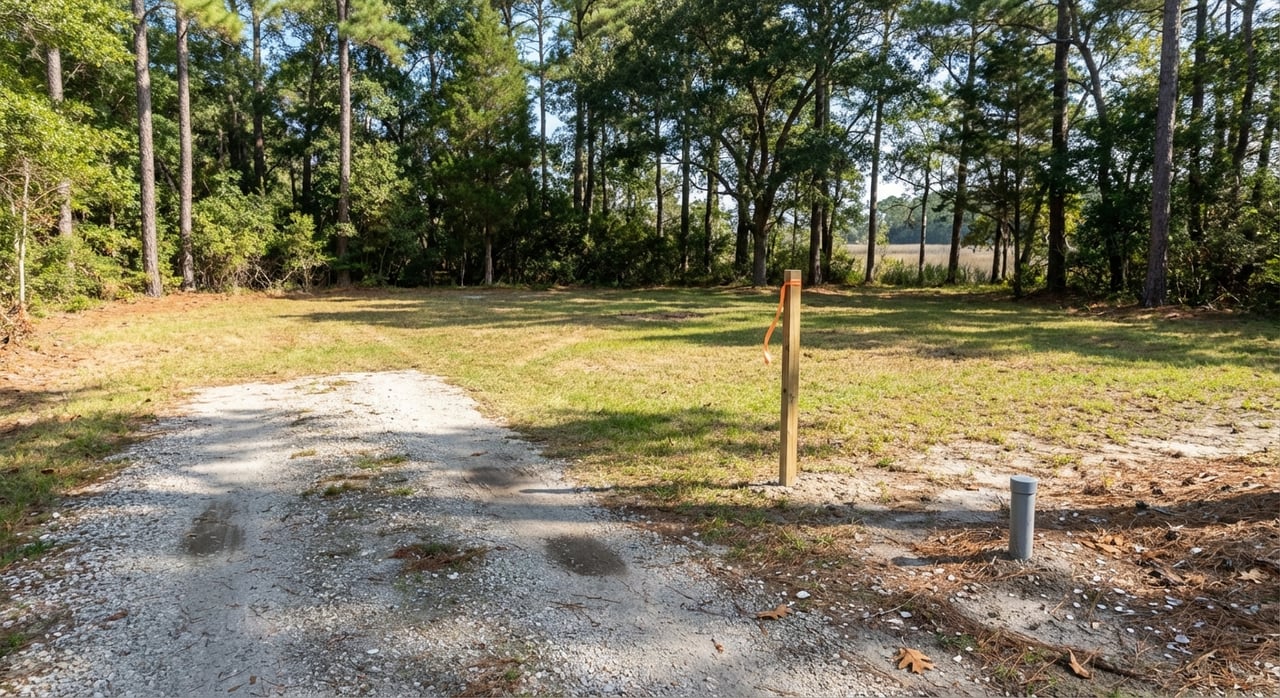
- Usually 1 to 10 or more acres outside the town core. Expect room for gardens, small livestock, outbuildings, and long driveways.
Maintenance profile
- Highest ongoing workload of the three. Plan for mowing, fencing, pasture care, outbuilding maintenance, and potential animal care.
- Private driveways, wells, and septic systems add to routine upkeep and costs.
Utilities and systems
- Almost always private well and septic. Internet service can vary in rural pockets, so confirm availability.
- Some agricultural uses require permits and compliance with county and state rules.
Lifestyle fit
- Great if you want privacy, space for hobbies, gardens, horses or chickens, or storage for boats and trailers.
- Can support live-work needs or home-based projects, subject to zoning.
Watchouts
- More liability and higher total costs between fencing, equipment, and possible higher taxes on larger acreage.
- Wetlands, easements, and floodplain portions may reduce usable land.
Decide in five clear steps
- Define your priorities
- Rank what matters most: walkability, no stairs, boat storage, acreage for animals, or low yard work.
- Set a realistic maintenance budget that includes time and contractors.
- Check flood risk early
- Review FEMA flood maps for each parcel and request an Elevation Certificate if in a flood zone.
- Get a flood insurance quote before you fall in love with a home.
- Verify utilities and systems
- For wells: plan a water quality test that checks bacteria and common contaminants.
- For septic: order a professional inspection, review pump-out records, and confirm permits with the county health department.
- Confirm zoning and constraints
- Ask county zoning about accessory structures, keeping animals, and any short-term rental rules.
- If near tidal waters, learn how Chesapeake Bay protection rules and buffer zones affect tree clearing, additions, and impervious surfaces.
- Compare total carrying costs
- Look at property taxes, homeowners and flood insurance, routine maintenance, and any equipment needs. Compare across cottages, ranches, and farmettes.
Touring checklist
Bring this when you view properties so you can compare apples to apples.
- Flood details: flood zone, elevation, any past flood history, and Elevation Certificate if available.
- Septic and well: pump-out records, inspection reports, and well water test results.
- Roof and HVAC: age, recent maintenance, and visible condition.
- Exterior: any salt-air corrosion, paint condition, window and door seals.
- Grounds: property boundaries, fencing, and signs of soggy areas or poor drainage.
- Access: driveway condition and who maintains it.
- Documents: any historic designation, covenants, HOA rules, or recorded easements.
- Utilities: location of septic tank and drainfield, well location, and broadband options.
Costs and insurance to plan for
- Flood insurance: Waterfront or low-lying parcels commonly require a policy. Premiums vary widely. Price it early.
- Home insurance: Age and proximity to water can affect availability and wind or hurricane deductibles.
- Taxes and exemptions: Confirm current tax assessments with the county. For larger parcels, ask about any agricultural land use valuations.
- Septic and well: Budget for periodic pump-outs, inspections, and potential repairs.
- Equipment and services: Farmettes often need tools, fencing, and occasional contractor help.
Common scenarios: which fits you
- You want to walk to marinas and restaurants with minimal yard work: A cottage is likely your best fit. Plan for exterior upkeep tied to coastal weather.
- You value single-level living and moderate maintenance: A ranch gives you flexibility and comfort without heavy acreage chores.
- You need space for hobbies, small animals, or boat and trailer storage at home: A farmette offers privacy and utility, but build a realistic plan for upkeep and costs.
Local rules and permits to understand
- Septic and well: The health department oversees permits, upgrades, and repairs. Additions may require septic suitability checks.
- Shoreline work: Stabilization, bulkheads, or dredging typically involve permits that can take time.
- Chesapeake Bay buffers: Properties near tidal waters may be in Resource Protection Areas that limit clearing and impervious surfaces.
- Building permits: Additions, garages, barns, or major renovations require permits and must meet setbacks.
- Historic districts: Some Urbanna properties fall under historic review for exterior changes.
Bring your goals to life in Urbanna
Choosing among cottages, ranches, and farmettes is about aligning lifestyle and maintenance with the realities of the Chesapeake coast. Start with how you want to live, then verify flood, utilities, and permit constraints before you tour. When you compare true carrying costs and day-to-day upkeep, your best fit becomes clear.
If you want a grounded, local partner, reach out to Diana Wolfson. You will receive exclusive listings, practical guidance on wells, septic, and flood, and a smooth path from short list to closing.
FAQs
What should Urbanna buyers know about flood risk
- Many parcels along tidal creeks and rivers fall in FEMA flood zones. Check the flood map for each address, request an Elevation Certificate if needed, and price flood insurance early.
How do wells and septic affect home choice near Urbanna
- Outside the town core, many homes use private wells and on-site septic. Plan for water quality testing, a septic inspection, and permit verification with the county health department.
Are farmettes in Middlesex County suitable for small animals
- Often yes, but you must confirm zoning and any county or state rules for animal care and waste management, plus plan for fencing, pasture upkeep, and added liability.
Do historic cottages in Urbanna limit renovations
- If a home sits in a historic district, exterior changes may require review. Older cottages may also need sensitive upgrades to mechanicals, insulation, and windows.
What utilities and internet should I verify before making an offer
- Confirm whether the property has municipal water and sewer or private well and septic, and check broadband availability and speeds, which can vary in rural areas.