Ever picture your mornings starting with a quiet walk to coffee, a quick drive to the marina, and an afternoon by the Bay? If you’re weighing a Chesapeake retirement, Kilmarnock in Lancaster County might be on your shortlist. You want clarity on healthcare access, walkability, boating, costs, and what daily life really feels like. This guide breaks down the essentials and gives you practical steps to decide if Kilmarnock fits your next chapter. Let’s dive in.
Kilmarnock at a glance
Kilmarnock sits on Virginia’s Northern Neck near the Rappahannock River, with the Chesapeake Bay a short hop away. The town has a compact main street, locally owned shops, and a blend of historic homes and newer waterfront properties. Seasonal visitors arrive for boating and festivals, while many residents enjoy a slower daily rhythm year-round.
Lancaster County and much of the Northern Neck attract retirees and second-home owners. For a sense of age distribution, income, and household patterns, review the U.S. Census Bureau’s QuickFacts for Lancaster County to frame your expectations. You can scan county-level demographics in the U.S. Census QuickFacts.
For town services, permits, and local updates, check the Town of Kilmarnock website.
Healthcare and aging support
For day-to-day care, you can expect primary care practices, outpatient services, and urgent care options in or near town. For more complex or specialty needs, many residents travel to larger metro hospitals in Richmond or Hampton Roads. If you have ongoing specialty care, confirm typical drive times during a trial visit.
- To explore statewide health resources and find public health contacts, start with the Virginia Department of Health.
- To compare assisted living, nursing homes, and home-health agencies across the region, use Medicare’s Care Compare.
- For aging-in-place support like transportation, meals, and caregiver resources, the regional Area Agency on Aging serves the Northern Neck. Learn about programs through Bay Aging.
Tip: If you plan to age in place, map the nearest clinics, urgent care, and emergency services from a few target neighborhoods. Ask providers about new-patient availability and referral patterns for cardiac, stroke, or cancer care.
Housing, taxes, and costs
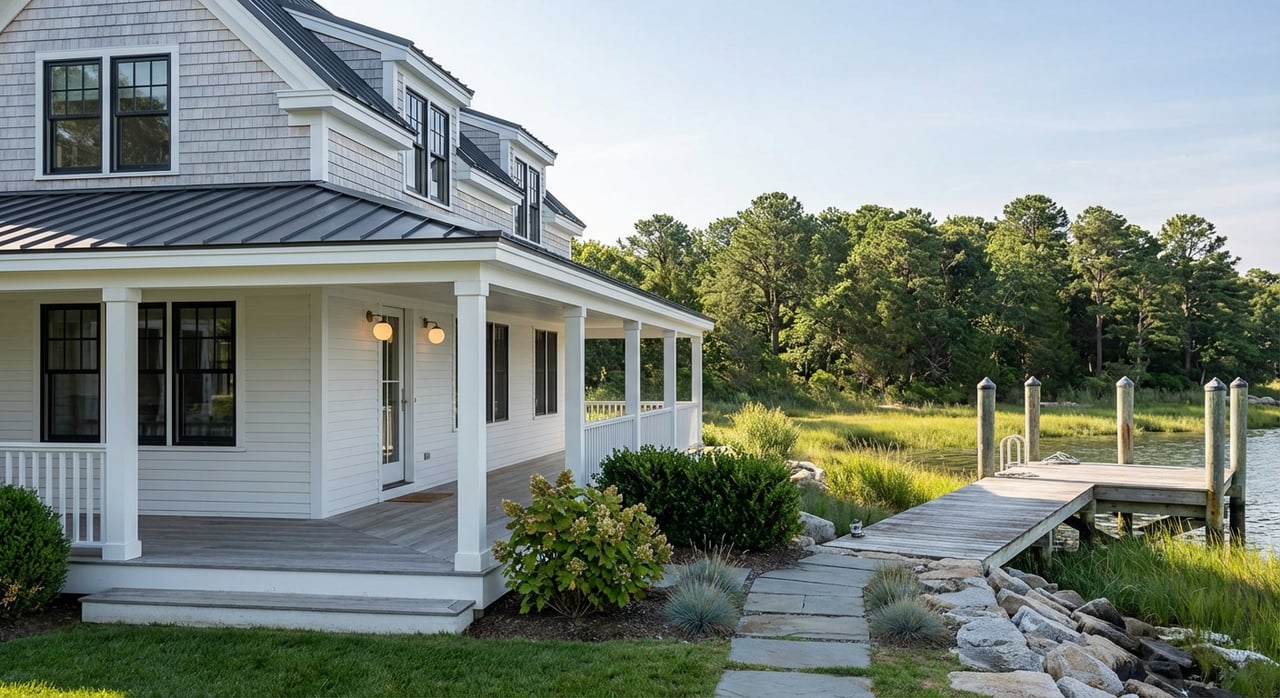
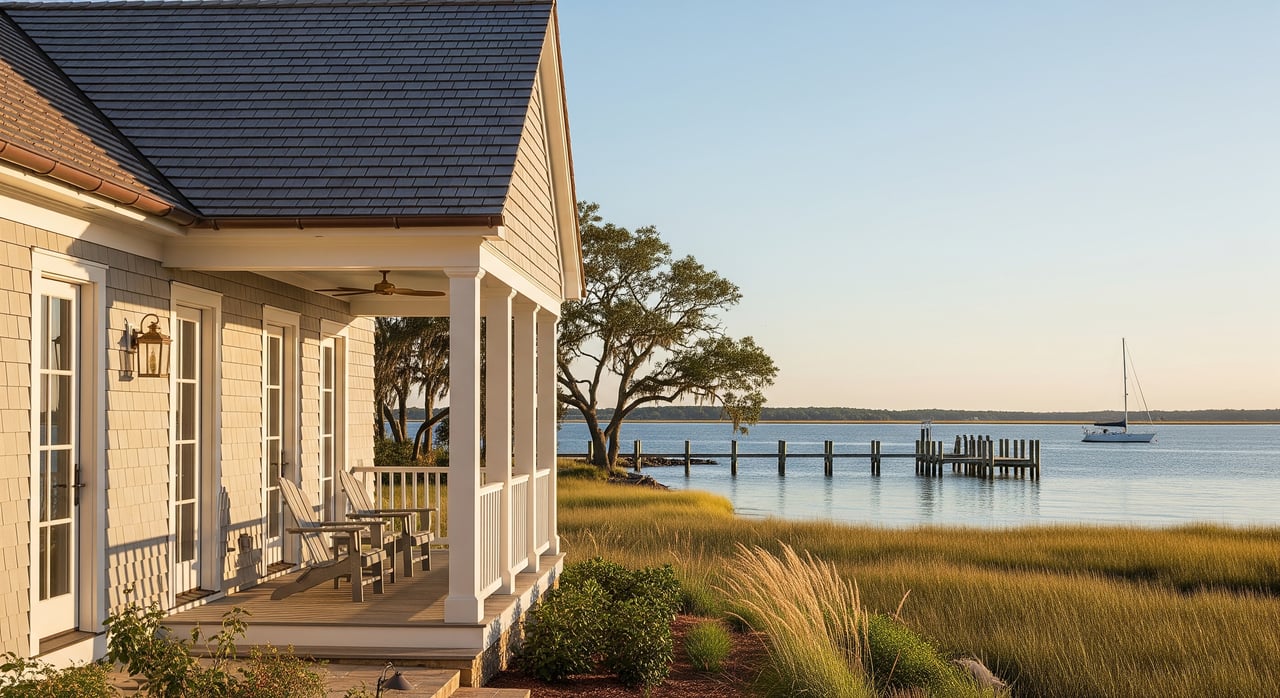
You’ll find a mix of options: single-family homes in town, historic cottages, and waterfront properties with piers. Purpose-built 55-plus communities are less common here. Many downsizers choose a smaller in-town home for walkability, or a low-maintenance condo where available. Waterfront properties bring a premium and may require more ongoing care.
Property taxes and senior relief are handled at the county level. Lancaster County may offer programs based on age and income, so review current eligibility and applications on the county site and the state portal. For state rules affecting retirement income, start with the Virginia Department of Taxation.
When comparing costs, remember that small coastal towns often have lower day-to-day expenses than bigger metros. Boating costs, flood insurance, and waterfront upkeep can add up. If you are boat-focused, plan for slip fees, maintenance, and seasonal service providers as part of your annual budget.
Flood risk and insurance
If you’re considering a waterfront or low-lying property, flood risk and insurance should be front and center. Ask for the property’s FEMA flood zone and any elevation certificates. Price both homeowner’s and flood insurance before you finalize a budget.
- Check property flood zones with the FEMA Flood Map Service Center.
- For big-picture guidance on coastal change, explore the Virginia Institute of Marine Science sea level rise resources.
Utilities and broadband
In-town homes may connect to public water and sewer. Many rural parcels rely on private wells and septic systems. Make sure you understand well depth, water quality history, septic permits, and maintenance records during inspections.
Broadband can be uneven in rural pockets, which matters for telehealth, streaming, and keeping in touch with family. Confirm provider options and speeds at the FCC Broadband Map.
Lifestyle, walkability, and waterfront fun
Kilmarnock’s main street gives you a small, walkable zone for everyday errands, dining, the library, and community events. Walkability drops as you move out of town, so location choice matters. To preview what daily errands might look like, compare neighborhoods and amenities, then check walkability trends on Walk Score. For local happenings and facility info, browse the Town of Kilmarnock.
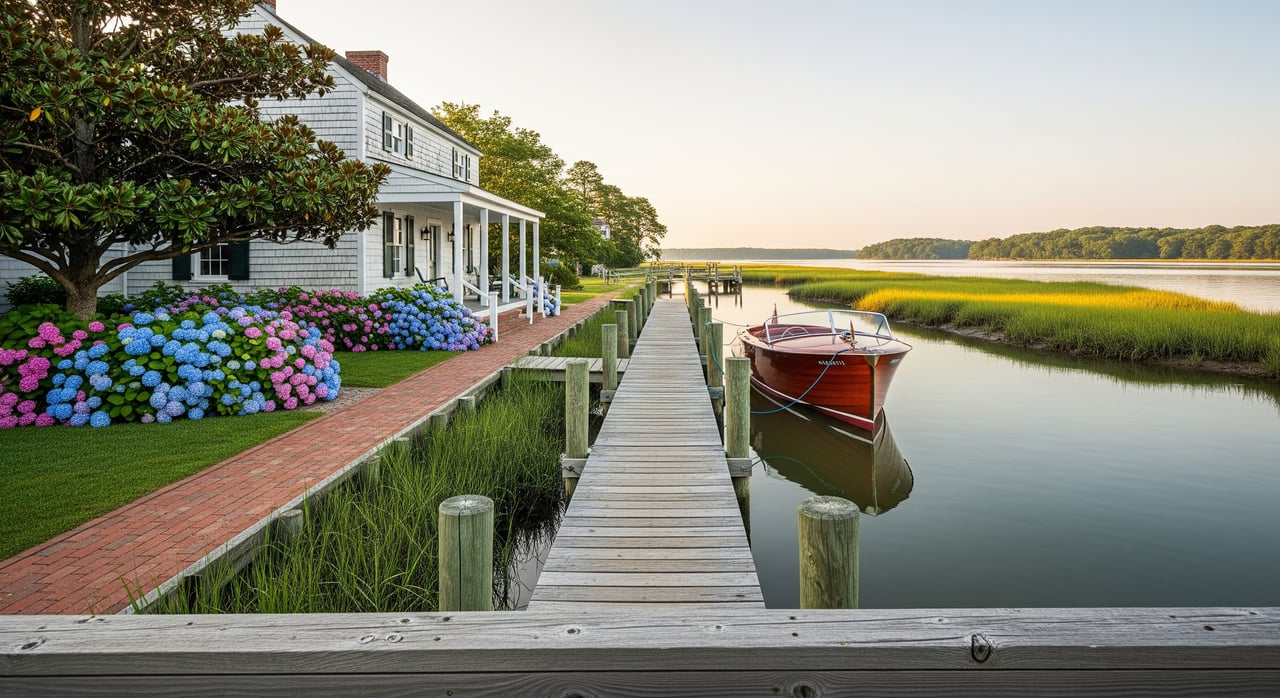
The Rappahannock and the Bay set the tone for recreation. You can join friends for fishing, launch a kayak, or find a slip for your powerboat or sailboat. You’ll see an active social scene around marinas during spring through fall. If you want a ready-made community, look for clubs and volunteer groups that match your interests.
Civic life is strong here. Expect garden clubs, historical societies, arts groups, church communities, and seasonal festivals that bring people together. Reach out before you move to sample meetings or volunteer events.
How Kilmarnock compares nearby
- Irvington. A boutique village feel with inns and galleries. If you like walkable charm and a polished, small-scale scene, it can appeal, though inventory may be tight.
- White Stone. Neighbor to Kilmarnock with similar small-town character and quick access to bridges, marinas, and dining.
- Deltaville and Reedville. Boating hubs with extensive marina infrastructure and a strong fishing culture. Heavy boaters sometimes prefer these choices for service yards and slips.
- Gloucester and Mathews. Larger service centers while staying Bay-oriented. If frequent specialty medical appointments or a wider retail base are priorities, explore these areas.
If you value a compact downtown and a friendly pace with easy access to the Rappahannock, Kilmarnock stands out. If you want a denser year-round cultural calendar or closeness to major hospitals, you might prefer a larger town within the region.
Getting around and travel
Most residents rely on a personal vehicle. Public transit is limited in rural coastal areas, though paratransit and senior ride programs often help with medical appointments. Ask the Area Agency on Aging about transportation options when you plan care.
For air travel, many locals use Richmond International or Norfolk International, with Newport News/Williamsburg as another option depending on your routes. Road access is mainly via state routes that connect to larger highways. Seasonal traffic can pick up on boating weekends and during festivals.
Practical checklist for retirees
Use this short list during your scouting trip and due diligence.
Healthcare and support
- Map nearest clinics, urgent care, and emergency services from homes you are considering.
- Check waitlists and quality ratings for assisted living, memory care, and home-health agencies at Medicare’s Care Compare.
- Save contacts for the Virginia Department of Health and Bay Aging for care coordination.
Housing and maintenance
- Confirm FEMA flood zone, elevation certificate, and estimated flood premium at the FEMA Flood Map Service Center.
- For rural parcels, verify well water tests, septic permits, and service history.
- If you plan to keep a boat, price local slips, winterization, and service contractors.
Money and taxes
- Review Lancaster County property tax policies and any senior relief programs, then check state rules at the Virginia Department of Taxation.
- Get written quotes for homeowner’s and flood insurance before you commit.
Mobility and access
- Test-drive routes to groceries, pharmacy, and your preferred marina at different times of day.
- Verify home internet options on the FCC Broadband Map and confirm provider plans.
Social life and engagement
- Sample community meetings, arts events, and volunteer groups during both peak season and winter.
- Browse town updates and events on the Town of Kilmarnock.
Is Kilmarnock right for you?
If you’re seeking a quieter Chesapeake lifestyle with a walkable core, strong boating culture, and close-knit community, Kilmarnock could be a match. You trade big-city convenience for small-town rhythm, with more planning around specialty care and seasonal patterns. Many retirees find the balance worth it, especially when they choose the right neighborhood for their day-to-day needs.
When you are ready to explore Kilmarnock homes and nearby waterfront communities, reach out to Diana Wolfson for local guidance, private showings, and a tailored plan that fits your lifestyle.
FAQs
What should retirees know about Kilmarnock healthcare access?
- You can find local primary and urgent care nearby, with specialty care commonly accessed in larger metros; confirm providers and travel times through the Virginia Department of Health and your insurance network.
How walkable is Kilmarnock for daily errands?
- The in-town core is the most walkable for daily needs; as you move out of town, plan for more driving and review neighborhood walkability on Walk Score.
Are there 55-plus communities in Kilmarnock?
- Purpose-built 55-plus communities are limited; many downsizers choose smaller in-town homes, condos where available, or low-maintenance waterfront properties instead.
How do I check flood risk for a property near the Bay?
- Look up the address in the FEMA Flood Map Service Center, ask for elevation certificates, and request flood insurance quotes during due diligence.
What senior tax relief might be available in Lancaster County?
- The county manages property tax relief programs based on age and income; confirm details and deadlines locally, then review state rules at the Virginia Department of Taxation.
Is rural broadband reliable around Kilmarnock?
- Service varies by neighborhood; verify provider options and speeds at the FCC Broadband Map, then confirm plan details with local ISPs before you buy.