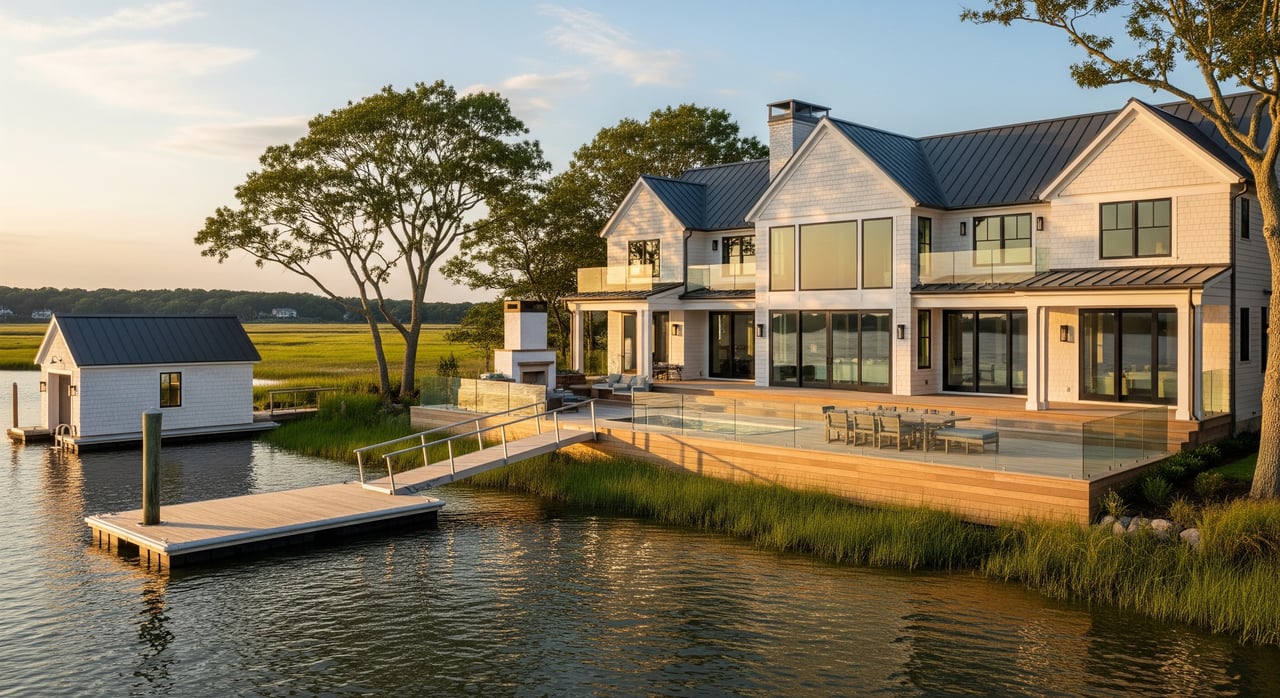
Thinking about refreshing your Kilmarnock waterfront home before you sell? You are smart to plan ahead. Buyers on the Rappahannock are drawn to views, functional docks, and low‑maintenance living that fits coastal life. In this guide, you will learn which projects add the most value, what to permit, how to time the work, and how to present your home so buyers feel confident. Let’s dive in.
What buyers value on the water
Waterfront buyers expect more than just a view. They look for a safe, attractive dock, easy outdoor living, and interiors that feel fresh and durable. They also pay attention to flood risk, insurance costs, and the condition of major systems.
If your dock feels shaky, your shoreline shows erosion, or your mechanicals sit low, many buyers will discount their offers. Addressing these areas first helps protect value and reduces time on market.
High‑ROI upgrades for Kilmarnock homes
Dock and boathouse upgrades
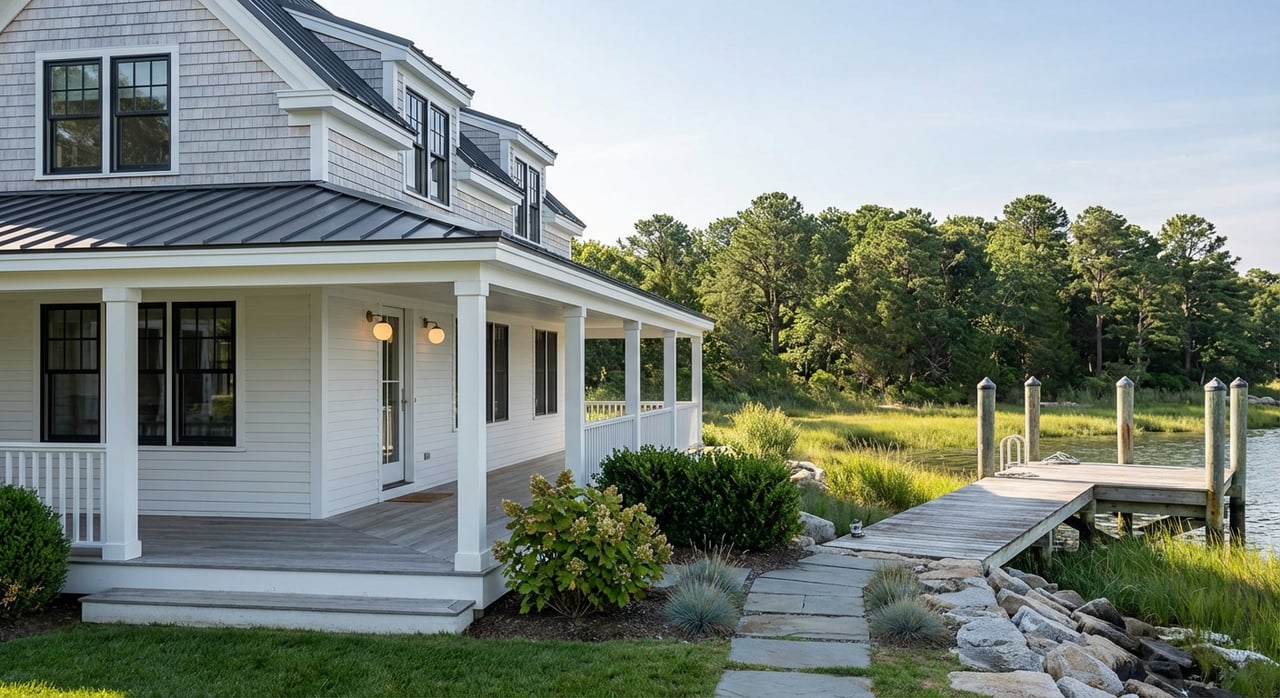
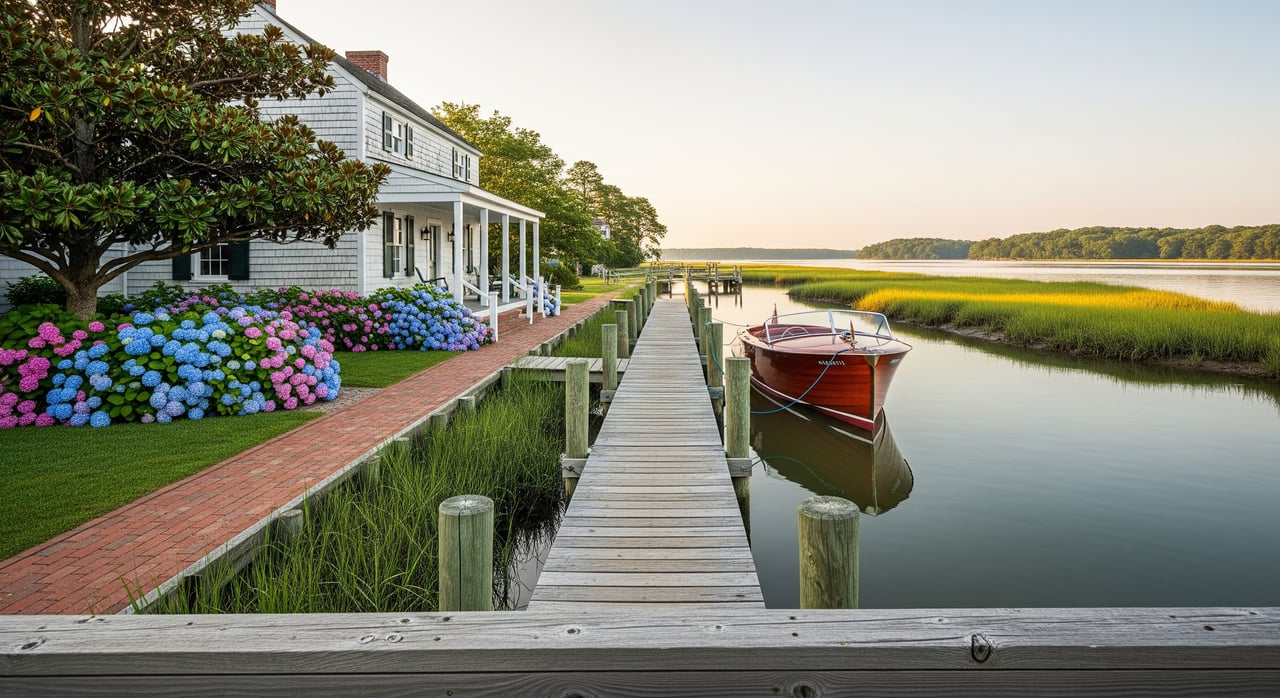
A solid, inviting dock is a top priority. Repair or replace unstable decking, rails, and pilings. Use composite decking or properly treated lumber with marine‑grade stainless fasteners to resist corrosion in brackish conditions.
Add safety features buyers notice: non‑slip surfaces, clear lighting, and GFCI‑protected shore power where appropriate. If space allows, modest seating or a widened platform can boost appeal, but check permits before you expand.
Outdoor living and shoreline care
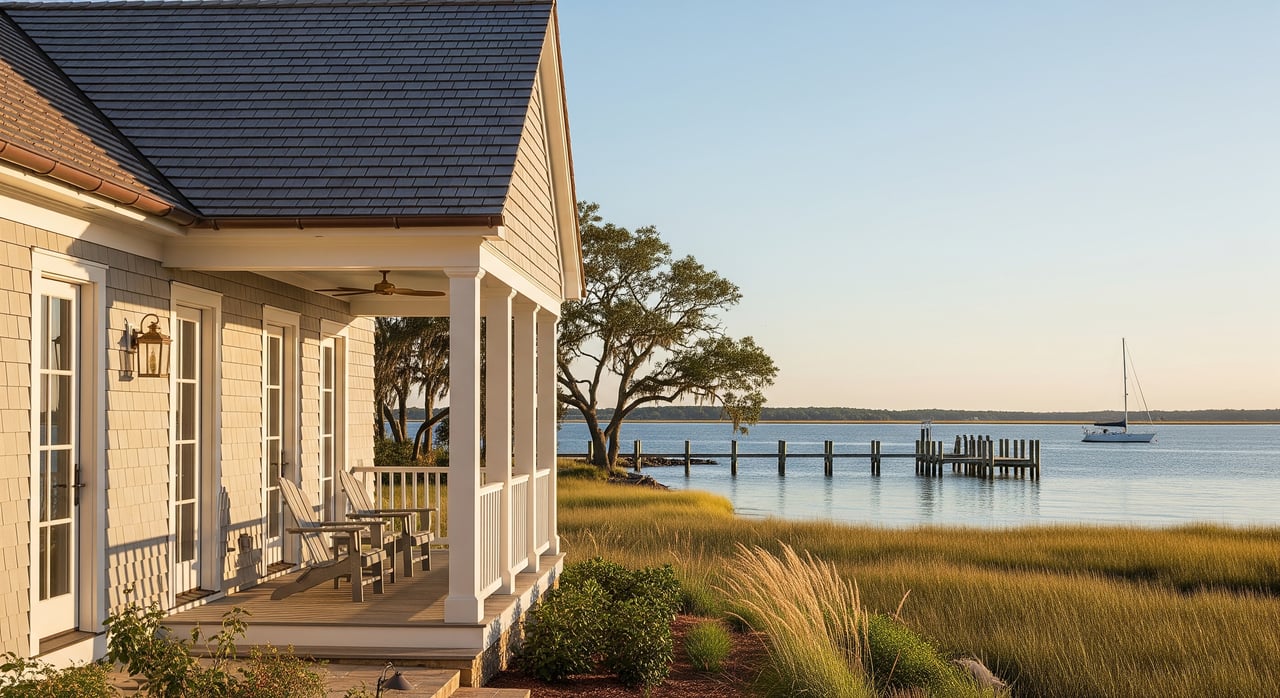
Create spaces that make it easy to enjoy the water. Screened porches, covered decks, and elevated patios with lighting and built‑in seating draw buyers outside. Choose capped composite decking and stainless or hot‑dipped galvanized hardware to cut maintenance.
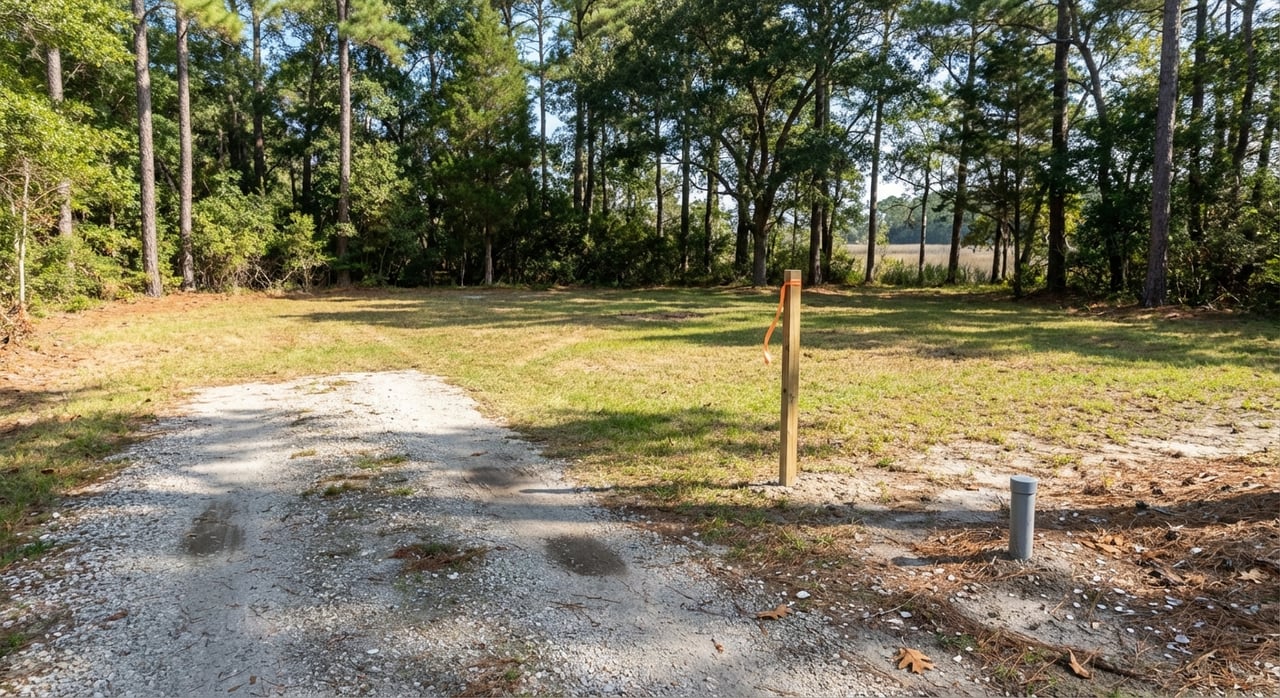
Stabilize your shoreline with solutions that fit local conditions. Living shoreline techniques that use native plants, coir logs, and sills can reduce erosion while preserving habitat. Avoid large impermeable hardscapes that funnel runoff toward the water.
Kitchens and baths that sell
You do not need a full gut. A midrange kitchen refresh usually returns more than a high‑end overhaul. Reface or repaint cabinets, add new hardware, and install quartz or solid‑surface counters. Energy‑efficient stainless appliances and updated lighting lift the whole space.
In baths, prioritize clean, modern finishes and moisture management. Replace worn tile, update vanities and fixtures, and use mold‑resistant paint and proper backerboard. At least one well‑finished bathroom can meaningfully improve buyer perception.
Resilience and mechanicals
Buyers care about risk and insurance. Elevate HVAC units, water heaters, and electrical panels above predicted flood elevations where applicable. Use GFCI‑protected exterior outlets and code‑compliant shore power at the dock.
If your home is in a FEMA‑mapped flood zone, verify requirements early. Consider impact‑rated windows or water‑resistant exterior doors on lower levels. Confirm that septic or sewer connections meet local standards, especially near tidal influence.
Durable coastal materials
Use materials that stand up to salt, humidity, and sun. Fiber‑cement or quality vinyl siding can outperform wood in exposed areas. PVC or engineered exterior trim reduces rot. Capped composite decking and 316 stainless fasteners near the water limit corrosion.
Inside, choose waterproof or water‑resistant flooring like luxury vinyl plank or tile for entryways and lower levels. The promise of lower maintenance is a selling point you can highlight in your listing.
Budget and ROI basics
Aim for visible improvements that solve waterfront pain points. Midrange kitchen and bath updates tend to recoup a strong share of their costs at resale. Outdoor living upgrades often perform well, especially when they frame the view.
Dock and shoreline projects vary widely in cost. Even without a neat percentage, a safe dock and stable shoreline protect value and encourage stronger offers. High‑end custom work can outpace neighborhood comps, so match your scope to local sales.
Permits and timing in Lancaster County
Plan early for waterfront work. Docks, piers, and shoreline stabilization typically require permits through the Virginia Marine Resources Commission and may need county approvals. If wetlands or navigable waters are affected, additional review can apply.
Floodplain status can shape construction standards and insurance. If you are near the water, check your FEMA flood zone and consider ordering an elevation certificate. Permit timelines can run several weeks to a few months, and some projects have seasonal or tidal work windows.
Your 6–18 month plan
- Months 1–2: Schedule a shoreline and dock assessment with a marine contractor. Confirm flood zone status and consider an elevation certificate. Identify safety and structural fixes first.
- Months 2–4: Consult the VMRC and county permitting offices to confirm requirements. Request estimates for dock repairs, deck replacement, a midrange kitchen refresh, one bathroom update, and a living shoreline feasibility study.
- Months 4–8: Submit permits for dock or shoreline work. Select durable materials and contractors with coastal experience. Order any long‑lead items.
- Months 8–14: Complete dock and shoreline work, then tackle outdoor living upgrades. Start interior updates once exterior work is scheduled.
- Months 14–16: Finish kitchen and bath refreshes. Elevate mechanicals if needed. Deep clean, complete paint touch‑ups, and service HVAC.
- Weeks 4–6 before listing: Final inspections, staging, and pre‑listing photography when the property shows at its best.
What to prepare for buyers
Keep documents ready to reduce friction and support your price:
- Copies of permits for your dock, shoreline work, and major renovations.
- Maintenance logs for dock repairs and any marine construction.
- Recent inspections and service records for roof, HVAC, water heater, electrical, and septic.
- A property survey or elevation certificate if available.
- Insurance details that reflect current coverage for a waterfront home.
- Any HOA covenants or shared dock agreements that affect access or use.
Smart project checklist
- Fix safety and structural issues first.
- Make the dock safe and inviting.
- Improve outdoor living with low‑maintenance materials.
- Refresh one kitchen and one bath at a midrange level.
- Elevate or protect mechanicals and confirm code compliance.
- Choose coastal‑durable materials to reduce maintenance.
- Gather permits and records to answer buyer questions quickly.
The local advantage
Kilmarnock sits on the tidal Rappahannock with Chesapeake Bay influence. Salt and humidity accelerate wear, and flood considerations shape design. When you tailor your upgrades to these realities, you help buyers feel confident about long‑term enjoyment and upkeep.
A thoughtful plan that blends a safer dock, better outdoor living, and clean interior refreshes can help your property stand out and sell sooner. If you are unsure where to start, a quick walk‑through and scope review can prevent overspending.
Ready to map the right projects for your timeline and price range? Reach out to Diana Wolfson for a friendly, locally informed pre‑listing plan and market guidance.
FAQs
What renovations add the most value to Kilmarnock waterfront homes?
- Focus on a safe, attractive dock, improved outdoor living spaces, and midrange kitchen and bath refreshes. These upgrades align with buyer priorities and coastal conditions.
Do I need permits to repair or expand my dock in Lancaster County?
- Most dock, pier, and shoreline projects require approvals through the Virginia Marine Resources Commission and may need county permits. Start the permit conversation early.
How should I handle shoreline erosion before listing?
- Get a shoreline assessment. Where appropriate, consider living shoreline techniques that stabilize banks with native plantings and natural materials. This can reduce maintenance and appeal to buyers.
Will elevating HVAC and electrical systems help resale?
- Yes. Elevating equipment above predicted flood elevations reduces risk, can support insurance, and gives buyers confidence in the home’s resilience.
Should I do a high‑end kitchen remodel before selling?
- Usually no. A midrange refresh with quality finishes tends to deliver better cost recovery than a major custom renovation in most resale situations.
When should I start planning if I want to sell in 12 months?
- Begin now with dock and shoreline assessments, permit checks, and contractor bids. Schedule interior and exterior upgrades to finish 4–6 weeks before listing for the best presentation.