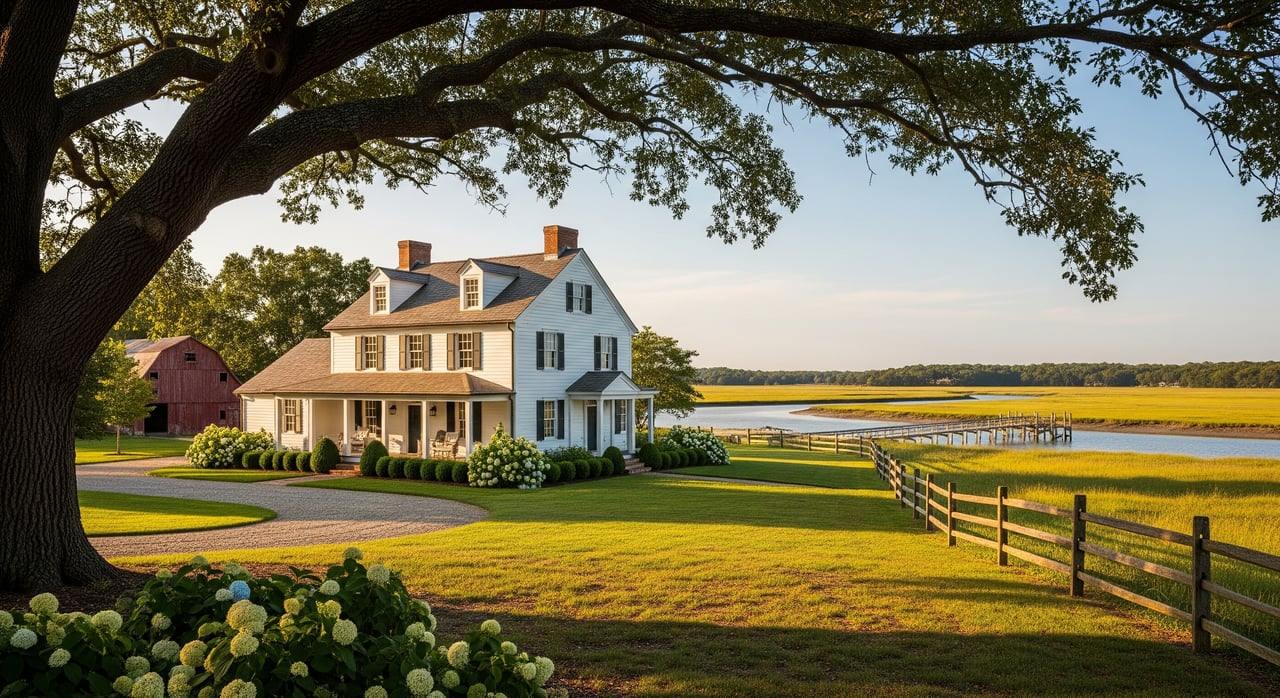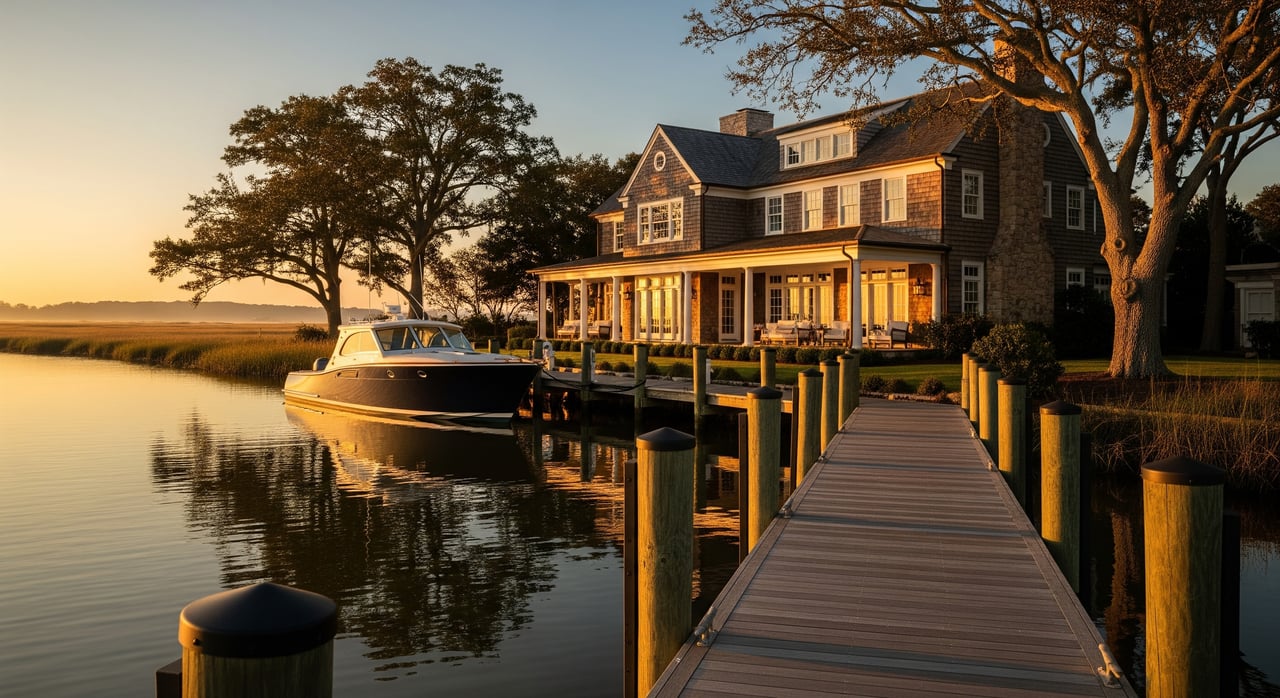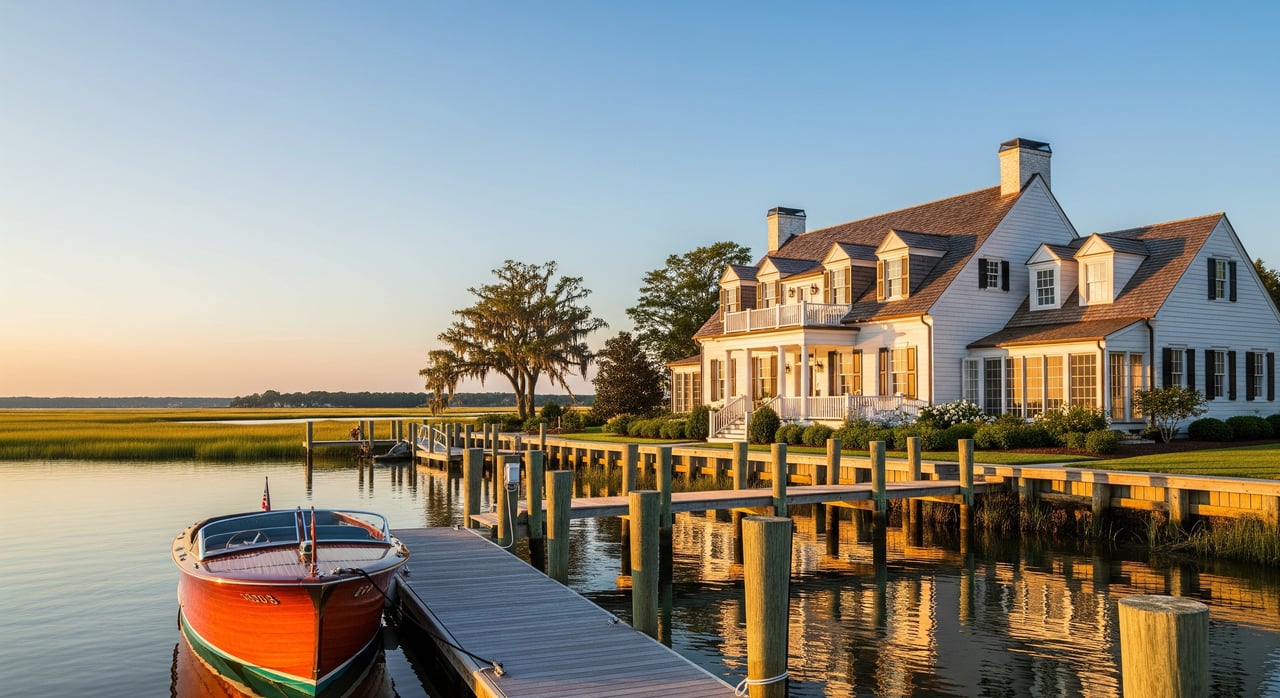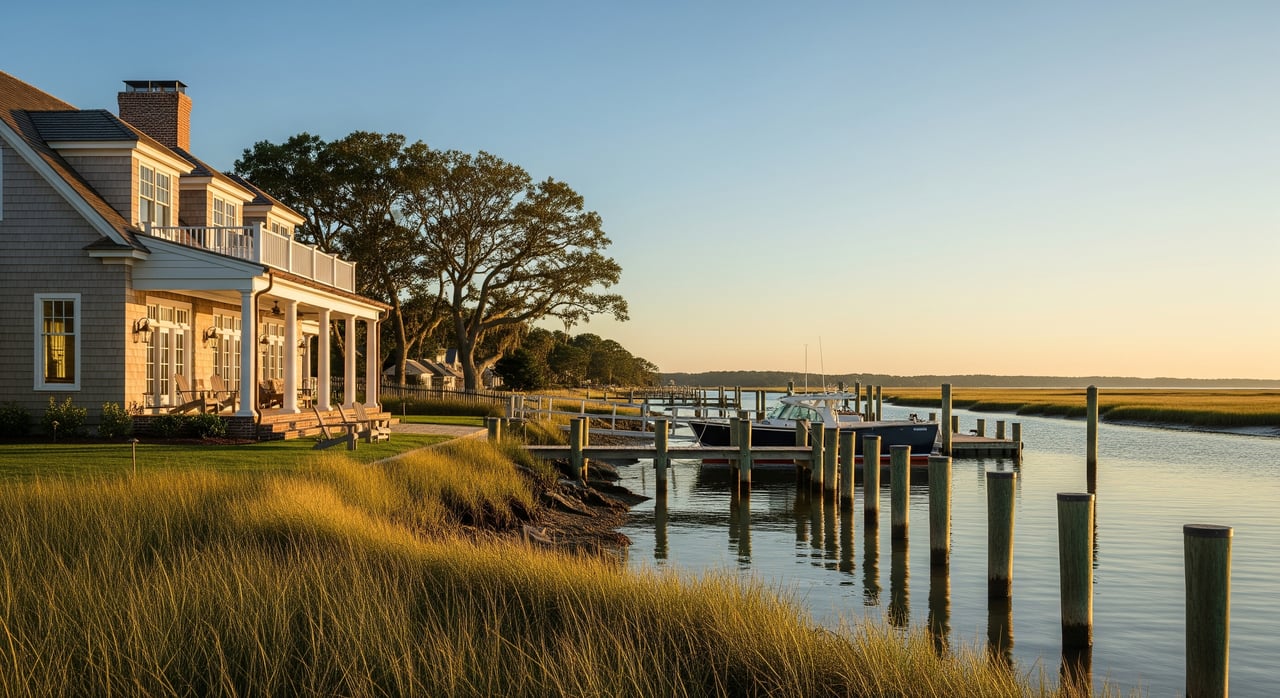
Dreaming of a weekend escape on the Rappahannock or a quiet cottage near Kilmarnock? If you are eyeing a second home in Lancaster County, your financing plan is just as important as your view. Second-home loans work a little differently from primary mortgages, and waterfront details can add a few extra steps. In this guide, you will learn what lenders look for, how rates and costs compare, what to watch on waterfront and rural properties, and how to close smoothly even if you live out of state. Let’s dive in.
What makes a second-home loan different
Requirements you will need to meet
Most second-home buyers use a conventional loan. Many lenders accept as little as 10% down for qualified borrowers, but 15% to 20% is common, and jumbo loans often require 20% or more. Lenders usually want strong credit, typically in the mid-to-high 600s to 700s or better for the best pricing. You should also plan for 6 to 12 months of cash reserves to cover principal, interest, taxes, and insurance.
Debt-to-income limits follow standard conforming rules, but lenders often apply stricter overlays for second homes. If your loan-to-value is above 80%, you may need private mortgage insurance. Requirements vary by lender, so ask for specifics early.
For eligibility and occupancy definitions, review the current Fannie Mae guidance on second-home occupancy and the Freddie Mac Seller/Servicer Guide.
Occupancy and rental rules
Second-home financing is for properties you will occupy part-time for personal use. If you plan to rent the home often, many lenders will classify the property as an investment. That usually means a higher down payment, tighter debt-to-income limits, and higher rates. Some programs also limit leasing right after closing. Confirm your intended use with your lender so your loan matches your plan.
Loan types you are likely to see
- Conforming conventional: Often the most cost-effective, within area loan limits.
- Jumbo: Common on higher-priced waterfront homes. Expect larger down payments and stronger documentation.
- Portfolio loans: Helpful for unique properties or complex finances. Terms vary by lender.
- Bridge loans or HELOCs: Useful if you plan to buy first and sell your primary home later. Understand costs and risks before you commit.
Note: FHA and USDA loans are designed for primary residences. VA loans are for eligible borrowers buying a primary residence. For VA program details and occupancy requirements, see the VA Home Loan program overview.
Rates and costs to expect
The rate premium in context
Second-home mortgages usually carry a modest rate premium compared with primary homes. In many markets, the difference is about 0.25% to 0.75%, while investment-property rates are often higher than that. Jumbo second-home rates can carry an extra premium depending on your profile.
Budgeting for total monthly costs
Beyond your rate and payment, plan for the full carrying cost of a waterfront property. Appraisal and inspection fees can be higher for unique homes. If the home is in a flood zone, flood insurance may be required and escrowed. Waterfront utilities, HOA or road maintenance fees, and shoreline upkeep can also add up. Get quotes early so you know your true monthly number.
For help comparing loan options and costs, use the Consumer Financial Protection Bureau’s tools for shopping for a mortgage.
Waterfront and luxury details in Lancaster County
Appraisals and valuation on the water
Waterfront value depends on more than square footage. Shoreline type, water depth, pier and lift condition, channel access, and views all matter. Lenders often require an appraiser with local waterfront experience and may request a more detailed analysis if comparable sales are limited. High-value properties sometimes trigger multiple appraisals.
Flood, wind, and insurance steps
Many homes near the Rappahannock River, Mill Creek, and Chesapeake Bay sit in or near FEMA flood zones. If your home is in a Special Flood Hazard Area, flood insurance is generally required for loans from federally related lenders. Premiums vary by elevation, building features, and coverage amounts. Start with the FEMA Flood Map Service Center to understand your parcel’s risk and work with your insurance agent to compare National Flood Insurance Program and private market options. Learn more about federal flood insurance through FEMA’s overview of flood insurance requirements and coverage.
Coastal Virginia can also face wind and hurricane exposure. Carriers may require separate wind coverage or higher named-storm deductibles. Ask your insurer for written quotes and coverage specifics before you remove financing contingencies.
Wells, septic, docks, and title items
Many rural and waterfront homes use private wells and onsite sewage. Lenders and local health authorities may require well water tests and septic inspection or certification. For statewide guidance, see the Virginia Department of Health’s page on onsite sewage and water services.
Confirm pier, dock, and shoreline rights with local title counsel. Recorded easements, riparian rights, maintenance agreements, and HOA or marina obligations can affect costs and usage. For properties that rely on dredged channels or community docks, ask about future assessments or scheduled maintenance.
A simple plan for remote buyers
Get pre-approved with the right lender
Ask for a full pre-approval, not just a pre-qualification. Provide tax returns, W-2s, bank and asset statements, and explanations for large deposits. Choose a lender that regularly finances second homes and Virginia waterfront properties. Local knowledge can prevent surprises with flood mapping, septic documentation, and appraisal selection.
Schedule inspections early
For Lancaster County waterfront homes, consider:
- General home and pest inspections
- Septic evaluation and well-water testing
- Dock, bulkhead, and seawall inspection
- Survey or elevation certificate if flood risk is possible
- Engineering review for high-value or complex structures
These reports help your lender, insurer, and title company clear conditions on time.
Smooth, secure closing from afar
Many Virginia title companies support eClosing or remote online notarization, but practices vary. Confirm your closing method early. If you plan to use a limited Power of Attorney, share the draft with your lender and title company for approval well before settlement. Protect yourself against wire fraud by verifying all wiring instructions using a phone number you obtain directly from the title company’s official website or prior business card, not from an email link.
Smart financing timeline
- Week 1 to 2: Connect with a second-home lender, share full documents, and obtain pre-approval. Discuss second-home use versus rental plans and jumbo thresholds.
- Week 2 to 4: Tour properties virtually or in person and refine your budget using insurance and tax estimates. Pull preliminary flood data and request sample quotes.
- Offer to Contract: Structure financing, inspection, and appraisal timelines with your agent. Order specialty inspections early for wells, septic, and docks.
- Appraisal and Underwriting: Provide updated statements, verify reserves, and respond to underwriter conditions. Confirm title items, HOA documents, and any dock or shoreline agreements.
- Closing Week: Approve final insurance coverage, confirm closing method (in-person, eClose, or POA), and verify wiring instructions by phone.
Quick checklist
- Get pre-approved with a lender who finances Virginia second homes and waterfront properties.
- Work with a local agent who knows Kilmarnock and Lancaster County inventory and sellers.
- Request a local appraisal, ideally with waterfront experience.
- Schedule septic and well inspections as needed. Ask for an elevation certificate if flood risk is possible.
- Obtain homeowners and flood insurance quotes early. Confirm your insurer will write the policy.
- Check HOA, road, dock, or dredging agreements for maintenance or special assessments.
- Prepare proof of cash reserves. Many lenders want 6 to 12 months of PITI on second homes.
- Set up a trusted local contact or property manager for maintenance if you will be away.
- Confirm closing logistics early. Ask about eClosing, remote notarization, or using a POA.
Bring it all together
Financing a second home near Kilmarnock is very doable when you start with the right plan. Define how you will use the home, line up a lender who understands second-home and waterfront loans, and get insurance, septic, and title questions answered early. With the right team, you can focus on boat days and quiet mornings instead of paperwork.
If you want local guidance from search to closing, connect with Diana Wolfson for tailored advice, on-the-ground support, and a seamless second-home experience.
FAQs
What down payment is typical for a Kilmarnock second home?
- Many lenders accept 10% down for strong borrowers, but 15% to 20% is common, and jumbo loans often require 20% or more.
Can I use FHA or VA financing for a Lancaster County vacation home?
- FHA and VA programs are designed for primary residences, so second homes usually need conventional financing; see the VA program overview for occupancy details.
Will flood insurance be required for a waterfront home near the Rappahannock?
- If the property is in a FEMA Special Flood Hazard Area and the loan is from a federally related lender, flood insurance is typically required; confirm via FEMA flood maps and early insurance quotes.
How many months of cash reserves do lenders want on second homes?
- Plan for 6 to 12 months of PITI, with higher reserves possible for jumbo loans or complex profiles.
Can I rent my Lancaster County second home on Airbnb without changing my loan type?
- Frequent short-term renting often triggers investment-property treatment with higher rates and down payment, so align your financing with your planned use.
How do I close on a Kilmarnock home if I live out of state?
- Choose a Virginia title company that supports remote closings or RON, confirm the process early, and verify any wiring instructions by phone using trusted contact information.
Are second-home mortgage interest and taxes deductible?
- Mortgage interest may be deductible within IRS limits and rules, and short-term rentals have special treatment; review IRS guidance in Publication 936 and Publication 527 and consult your tax advisor.