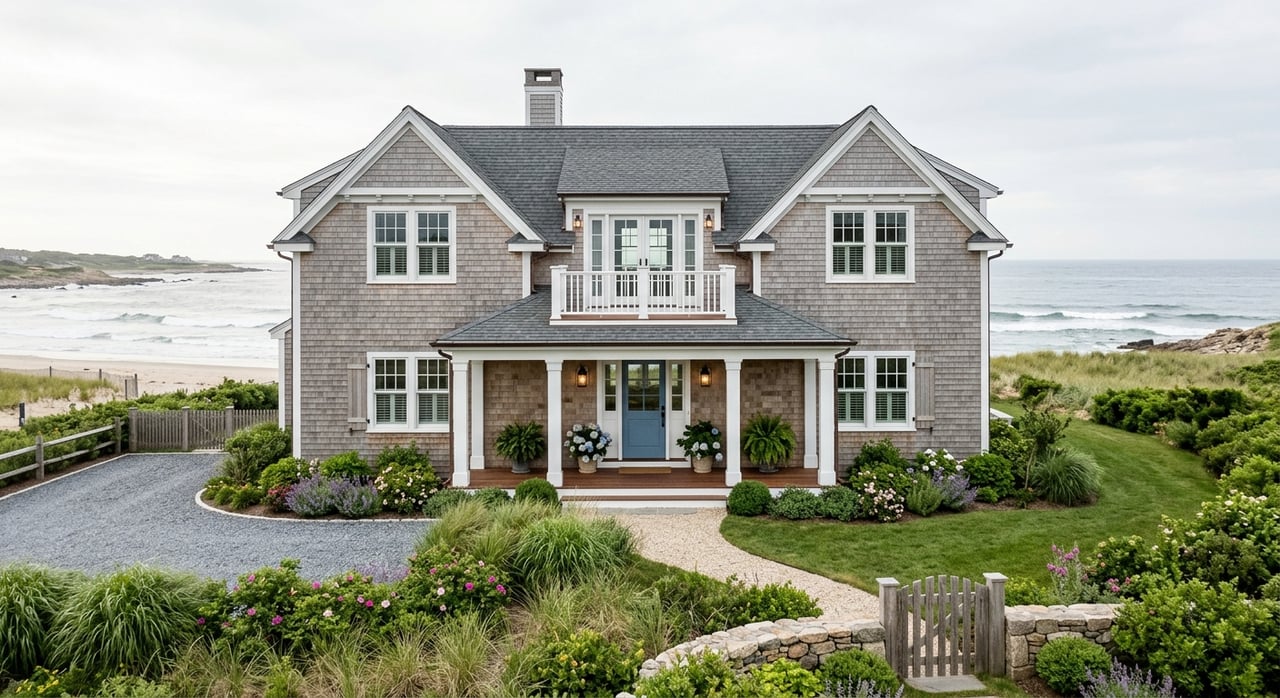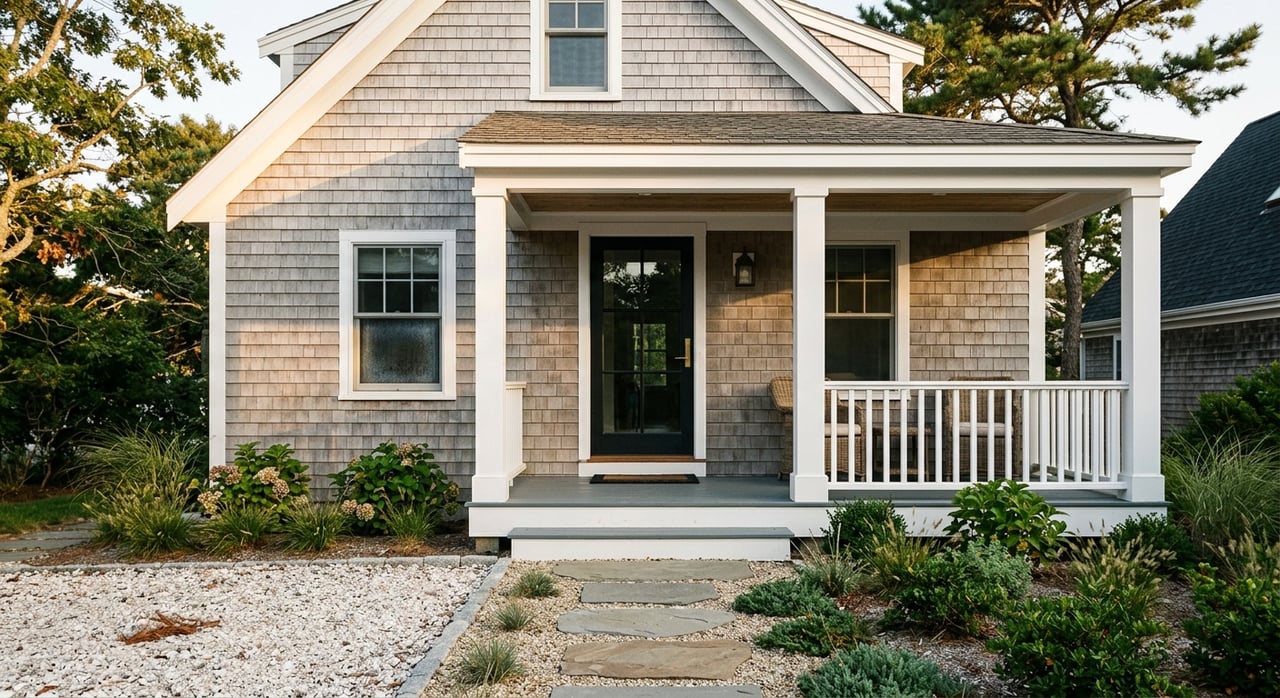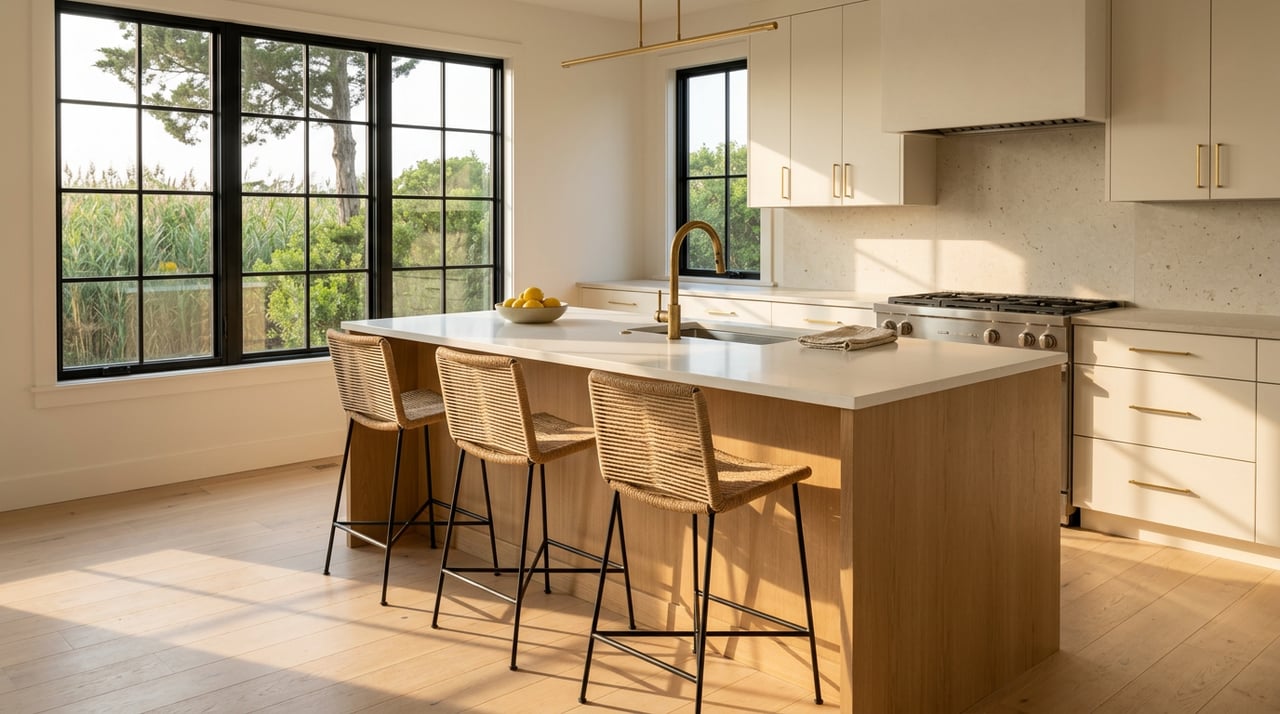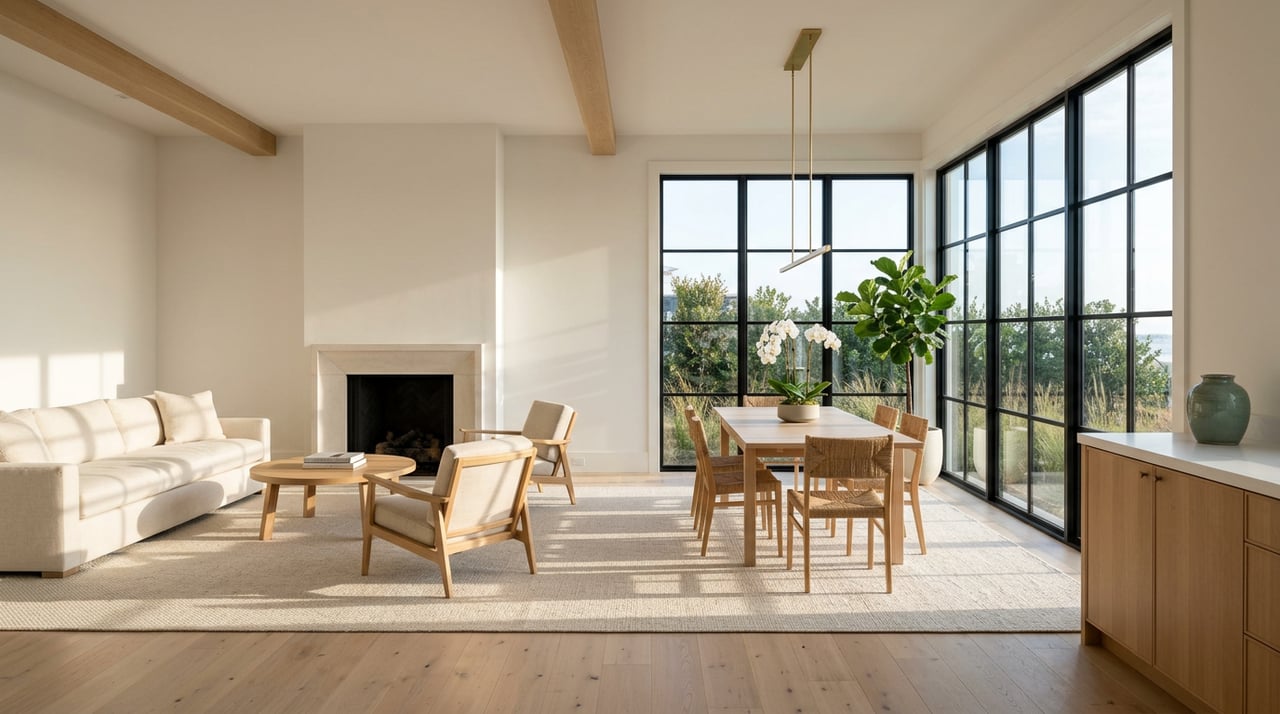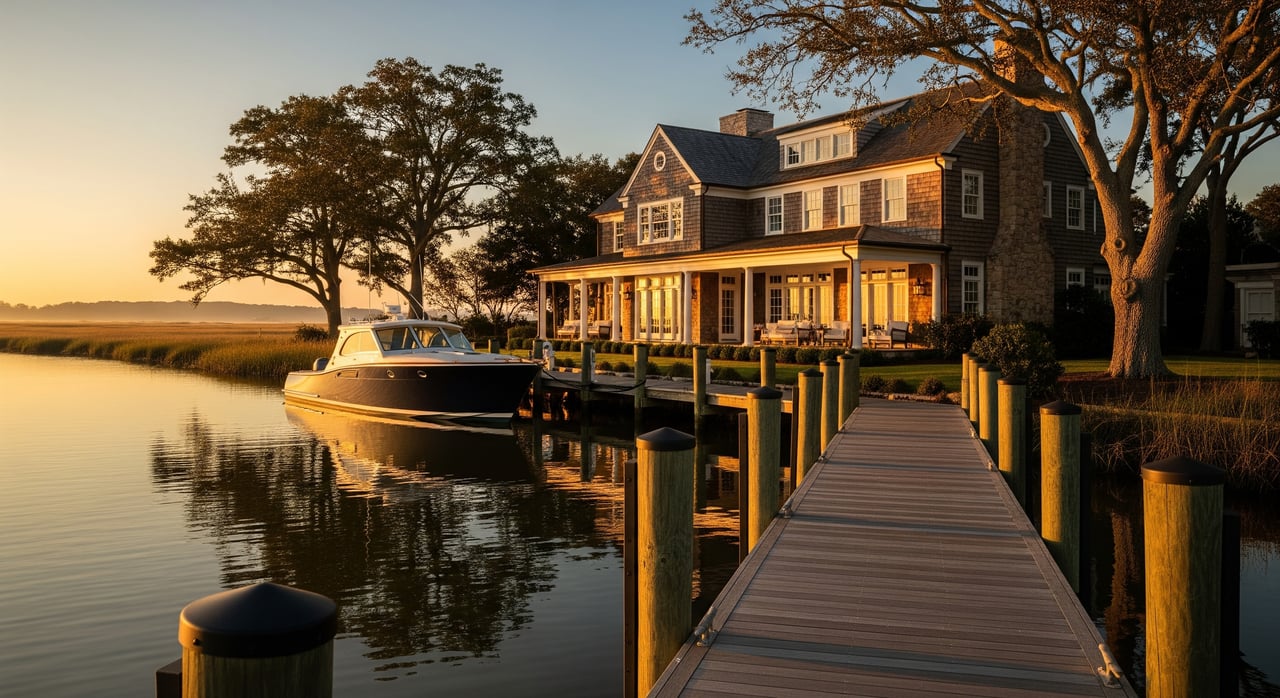
Ready to compare a bold river view with the calm of a protected cove in a single morning? If you are eyeing Kilmarnock and the creeks that feed the Rappahannock, a curated half‑day tour can save you weeks of guesswork. You want confident decisions, clear logistics, and next steps that keep you ahead of other buyers. This guide shows you exactly how a private Kilmarnock waterfront buyer tour works, what to prepare, and how to evaluate shoreline, docks, and access in real time. Let’s dive in.
What you will see on tour
A Kilmarnock tour focuses on the creeks and coves near the Rappahannock River in Lancaster County. You will compare property types, travel routes, and real‑world access to marinas and town amenities.
Riverfront vs creekfront vs coves
- Riverfront: Bigger views and more breeze. You will check exposure to wind and waves and how that affects dock design and boat handling.
- Creekfront: Calmer water with shorter fetch. Expect to look closely at water depth at mean low water and navigation turns to reach the river.
- Protected coves: Quiet anchorage feel. You will consider privacy, orientation, and any shoaling that may limit larger boats.
Navigation and marina access
- You will review navigation routes by land and, where possible, by boat to understand turning basins, channel markers, and travel time to open water.
- Tide and depth matter. We will time stops with NOAA tide predictions so you can see dock height and shoreline at a realistic stage.
- You will also note proximity to town services and marinas. Use the Town of Kilmarnock’s site for neutral local context as you evaluate day‑to‑day convenience.
Sample half‑day itinerary
Every tour is tailored, but here is a common structure that keeps your time focused and productive.
Pre‑tour virtual briefing
- 15 to 30 minutes over video or phone.
- Confirm your top three priorities, boat details if relevant, and preferred water types.
- Share route, property list, aerial maps, and tide timing. You will receive a digital packet that may include surveys, seller disclosures, and flood map excerpts.
On the road and on the water
- 3 to 4 properties with 15 to 30 minutes per stop for exterior and shoreline review. We allow more time where dock access is essential.
- When possible, combine vehicle and boat perspectives to see both neighborhood context and shoreline access. If boat access is not permitted at a listing, we use alternative viewing points.
- Weather plan provided. Strong winds or tide windows may shift the order of stops.
Mid‑tour debrief
- 30 to 45 minutes for coffee or a quick lunch.
- Compare notes on shoreline condition, water depth, exposure, and dock setup.
- Identify a front‑runner and outline steps for rapid due diligence.
Final stop and next steps
- Deep dive at your preferred property using a dock inspection checklist.
- Discuss survey needs, permit status to the extent known, and offer strategy if you want to move forward.
Booking your private tour
- Share your timeline and whether you prefer in‑person or virtual to start.
- Confirm Eastern Time and travel buffers if you are flying or driving in.
- Provide proof of funds or a current pre‑approval so we can unlock same‑day next steps if needed.
- Note any accessibility needs, marina parking requirements, and whether you plan to bring a skipper or guest.
What to prepare before you go
A little preparation sets you up to make confident decisions in the moment.
Financial readiness
- Secure a pre‑approval or proof of funds. Waterfront homes can draw quick interest, and sellers often expect fast verification.
- Confirm your lender understands waterfront appraisal, insurance, and flood considerations.
Your priorities and boat details
- List your must‑haves and dealbreakers. Include desired exposure, minimum water depth, dock type, lot size, and distance to town.
- If you own a boat, share the length and draft. We will use this when reviewing channels and water depth at mean low water.
Timeline and flexibility
- Identify your target close date and any contingencies you need. We will set realistic inspection and survey windows to match.
On‑site evaluation checklist
Use this quick checklist at each property. We will review together and capture photos and notes for you.
- Shoreline: Look for erosion, bulkheads or living shoreline features, and safe access to the dock.
- Dock and pilings: Check for rot, loose hardware, and elevation relative to high tide. Consider current vessel size and potential upgrades.
- Water depth and access: Confirm depth at mean low water and turns to reach open water. Consider shoaling patterns and wake exposure.
- Access and parking: Note grade of driveway, space for guests, and neighborhood road width.
- Utilities and systems: Locate well and septic components and note age of HVAC and generators.
- Views and privacy: Evaluate orientation, neighboring docks, and ambient noise from marinas or commercial areas.
Permits, flood, and utilities
Waterfront ownership includes extra due diligence. You do not need to be an expert, but you should know where to verify facts and which specialists to engage.
Docks, piers, and shoreline work
- Tidal structures often require approval from the Virginia Marine Resources Commission. Larger impacts may also involve the U.S. Army Corps of Engineers Regulatory Program.
- Local rules and setbacks apply. Start with Lancaster County’s official site for zoning, land records, and building information.
- Some properties fall under Chesapeake Bay Preservation Act overlays, which can add buffers and stormwater controls. We will connect you with the appropriate offices for guidance.
Flood risk and insurance
- Check FEMA Flood Insurance Rate Maps to see zone designation and base flood elevation using the FEMA Flood Map Service Center.
- If the property is in a Special Flood Hazard Area and you finance the purchase, your lender will likely require flood insurance. Many buyers choose coverage even outside mapped zones.
Septic, wells, and utilities
- Many rural properties use private wells and septic systems. The Virginia Department of Health’s onsite sewage resources explain permits and inspections.
- Shoreline setbacks can affect repair or replacement options. We will help you coordinate the right inspections early in your contingency window.
Navigation and tides
- Confirm tidal range and channel conditions, especially if you plan to keep a deeper draft boat. Review NOAA nautical charts and local marina guidance.
- We will schedule showings with tide timing in mind so you can see realistic clearance and approach conditions.
Virtual and out‑of‑area options
If you cannot travel right away, start with a virtual shortlist. For waterfront homes, you should plan at least one in‑person visit before closing, since shoreline and dock conditions are best evaluated on site.
What virtual support looks like:
- Live video walk‑throughs from land and, when possible, from a boat. A dedicated camera operator will pan slowly, answer questions, and note tide stage.
- Drone aerials for shoreline and neighborhood context using FAA‑compliant pilots.
- 3D interior tours and high‑resolution exterior photos so you understand layout and site lines.
- Recorded boat runs that show the navigation path, markers, and neighboring docks.
- Digital packets that may include plats, surveys when available, disclosures, septic and well records, flood map excerpts, and aerial maps.
Closing support for remote buyers:
- We coordinate inspections and specialists locally and work with settlement providers that offer e‑signing. Remote notarization is available in some cases under Virginia rules. We will confirm options early.
After you find the one
Waterfront opportunities can move quickly when priced right. Be offer‑ready so you can act with confidence.
- Build an offer template with standard contingencies such as inspection, financing, and survey. Consider stronger earnest money or an escalation clause if market conditions support it.
- Line up inspection availability in advance, including marine and septic specialists. Target the first 7 to 10 days of your contingency period for general, septic, and well checks.
- Follow with survey and title review in the next 7 to 14 days while verifying dock permits and shoreline approvals where applicable.
Why tour with Diana
- Local expertise: Deep knowledge of Kilmarnock’s creeks, coves, and Rappahannock access points, plus relationships with marinas and regional vendors.
- Boutique support: A community‑rooted, family brokerage that blends personal service with regional reach.
- Digital readiness: Seamless virtual showings, curated digital packets, and efficient communication for out‑of‑area buyers.
- Practical logistics: Thoughtful scheduling around tide and weather, clear safety guidance, and a vetted referral list of surveyors, inspectors, marine contractors, and settlement pros.
Ready to see the water for yourself? Schedule your private Kilmarnock waterfront buyer tour and receive a tailored route, live comparisons of river, creek, and cove settings, and an action plan you can use that day. Connect with Diana Wolfson to get started and Receive Exclusive Listings.
FAQs
How does a private Kilmarnock tour work?
- You will spend a half day comparing 3 to 4 waterfront homes by land and, when permitted, by boat. We review shoreline, water depth, dock condition, and neighborhood context, then outline next steps.
What should I bring to a waterfront tour?
- Bring your pre‑approval or proof of funds, a list of priorities, boat specs if relevant, weather gear, sunscreen, and any questions about shoreline, flood, or utilities.
Do I need flood insurance for a Kilmarnock waterfront home?
- If the home lies in a FEMA Special Flood Hazard Area and you finance the purchase, your lender will likely require flood insurance. Many buyers choose coverage even outside mapped zones.
Can I build or replace a dock on the Northern Neck?
- Possibly. Docks in tidal waters often require VMRC approval and may involve the U.S. Army Corps of Engineers. Local zoning and environmental rules can add conditions.
How deep should the water be for my boat?
- Depth depends on your vessel’s draft and local channel conditions. Confirm with NOAA charts, tide predictions, and local marina guidance, and verify at mean low water.
What inspections are different for waterfront homes?
- In addition to standard home inspections, include a marine or dock assessment, shoreline and bulkhead review, septic inspection, and checks for water intrusion or mold near grade.
What if I cannot travel right away?
- Start with a virtual shortlist. Use live video, drone aerials, and recorded boat runs to narrow options, then plan at least one in‑person visit before final decisions.