Ready to trade Beltway gridlock for Bay breezes on the weekends? If you live in D.C. or Northern Virginia, a Kilmarnock getaway can be closer than you think. You want a smooth process, clear answers, and a team that can handle the details while you stay in the city during the week. This guide gives you a step-by-step plan tailored to Lancaster County’s shoreline homes, from virtual tours to waterfront inspections and remote closings. Let’s dive in.
Why Kilmarnock works for weekends
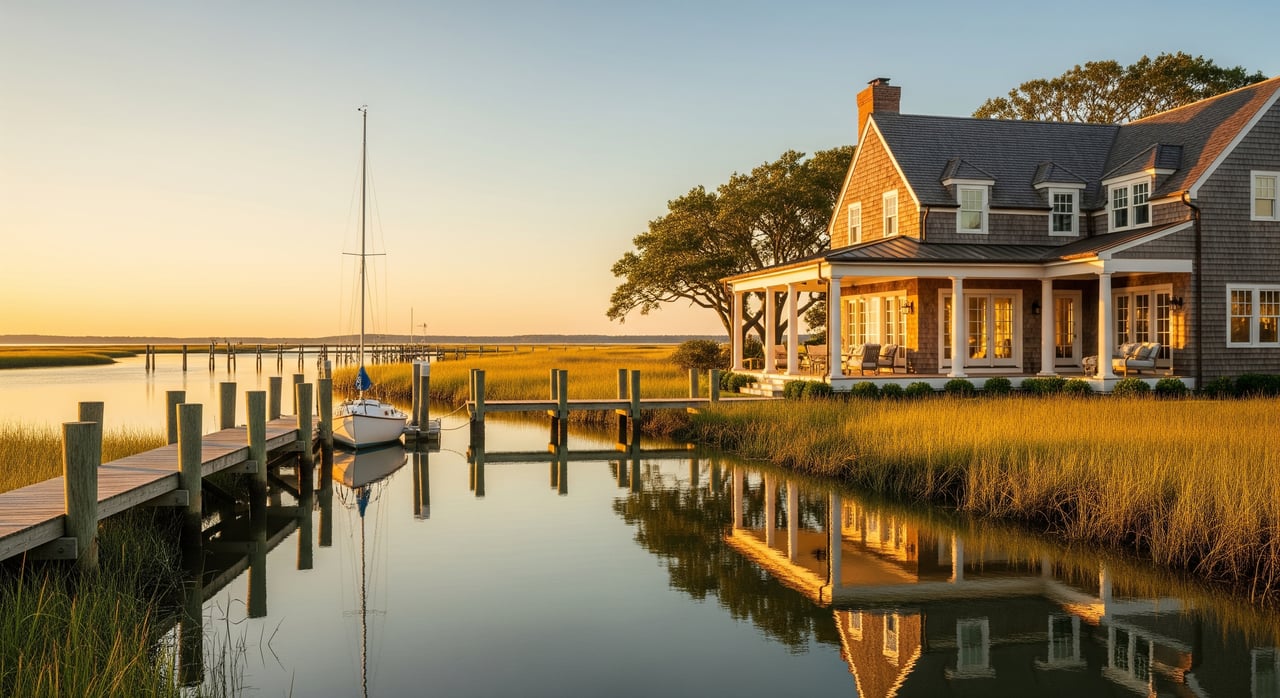
Kilmarnock sits on Virginia’s Northern Neck with access to the Rappahannock River and Chesapeake Bay. You’ll find in-town cottages, country homes, and true waterfront properties with piers and docks. Demand rises in late spring through early fall as boaters and weekenders arrive, so timing matters.
From D.C./NOVA, plan for about 2.5 to 3.5 hours depending on route and traffic. Choose US-301/VA-3 or the I-95/Fredericksburg approach and check real-time routing before you go. If you want to see typical conditions, avoid major holiday weekends when roads and waterways are busiest.
Plan your timeline
You can buy remotely with a clear, realistic schedule. Here’s a typical cadence for second-home buyers coming from D.C.
Weeks −6 to −1: Pre-approval
- Get pre-approved with a lender who understands second-home loans. Rules differ from primary homes, including down payment and reserves.
- Decide how you will use the home: personal use only or part-time rental. That choice affects financing, insurance, and local rental rules.
- Ask if the lender has distance requirements for second homes and whether they use waterfront-experienced appraisers.
Weeks 0 to 3: Offer and escrow
- Engage a local buyer’s agent who works daily with Lancaster County properties and waterfront issues.
- Open title and schedule inspections early, especially for septic, well, docks, and shoreline structures.
- Build contingency protections that match waterfront risks.
Weeks 1 to 4: Inspections
- Complete general, septic, and well inspections, plus bulkhead/shoreline and dock assessments.
- Use live video walkthroughs with your inspector and request full photo reports.
- Order a current survey if one is missing or outdated.
Weeks 2 to 6: Appraisal and repairs
- Resolve inspection items with contractor bids or repair credits.
- Confirm permits for docks, bulkheads, and additions.
- Finalize financing, appraisal, and title review.
Final week: Walkthrough and close
- Do a final walkthrough via live video with your agent.
- Close using eSign and remote notarization if allowed by your lender and title company.
- Transfer utilities and line up caretaking or property management.
Build your local team
You will want an agent, local title company or closing attorney, licensed home inspector, septic and well specialists, a surveyor, and a reputable contractor. Your agent should understand flood zones, septic permits, shoreline regulations, and local seller disclosure norms. A well-connected local advisor coordinates vendors, sequences inspections, and navigates county planning and permits.
Smart remote search
Use strong listing materials as filters so you only travel for the best fits.
- Ask for floor plans, tax parcel ID, surveys, seller’s disclosures, HOA covenants, and repair histories.
- For waterfronts, request dock and pier permits, bulkhead records, septic permits and pumping logs, and any recent appraisal or insurance claim history.
- Leverage virtual viewing tools: live video walkthroughs, high-resolution videos, 3D tours with measurements, and aerial drone footage to see shoreline orientation and neighboring uses.
- Have your agent confirm key items before you drive down: flood zone, septic age and service dates, well depth and water test results, private or shared road status, and any recorded easements.
Scout trip from D.C.
A targeted 1 to 3-day visit makes your decision clear and confident.
Travel tips
- Drive time is typically 2.5 to 3.5 hours based on route and traffic. Check live routing before you leave.
- Visit in the season you plan to use the home. Summer helps you gauge boating access and activity; shoulder seasons show drainage and storm exposure.
- Avoid major holidays if you want to see typical weekend traffic and boat congestion.
One-day blitz
- Morning: Meet your agent for a route overview and first showings.
- Midday: Video-call your inspector from the top contender; capture system close-ups and attic/crawlspace snapshots.
- Afternoon: Walk the shoreline and neighboring parcels; note bulkhead condition, dock elevations, and any visible erosion.
- Late afternoon: Test cell signal in key rooms and at the dock; confirm internet options with the seller and providers.
- Early evening: Drive by marinas, boat ramps, grocery, dining, and medical services.
Two to three days deep dive
- Day 1: Tour properties and refine your shortlist.
- Day 2: Schedule inspections or a pre-inspection on your top choice; obtain contractor opinions if you plan updates.
- Day 3: Meet title or closing attorney if helpful, verify permits at county offices, and revisit the property in different tides or weather.
Waterfront inspections that matter
For Chesapeake property, you need a broader inspection set.
- General home inspection for structure, roof, HVAC, plumbing, and electrical.
- Septic inspection and dye test to confirm system type, tank location, capacity, and performance; collect permit records.
- Well inspection with water quality testing for bacteria, nitrates, and total dissolved solids.
- Bulkhead, shoreline, and erosion assessment; consider an engineer for older structures or eroding banks.
- Dock, pier, and boathouse inspection for pilings, electrical, and structural safety, plus permitted status.
- Survey and lot line verification, especially for dock placement.
- Pest and moisture assessments, including termite and mold checks.
Remote tips: ask for a live video session during inspections, request high-resolution photos and videos, and verify licenses and references for specialized inspectors.
Permits, flood, and utilities
- Flood risk: Check FEMA flood zones and base flood elevations. If the home is in a Special Flood Hazard Area, lenders typically require flood insurance. An elevation certificate can help with premium calculations.
- Shoreline and docks: Confirm Virginia Marine Resources Commission permits and any county approvals for piers, bulkheads, and shoreline stabilization. Clarify ownership, maintenance, and any shared or leased riparian rights.
- Septic and well: Pull permit history and locations on the survey. Verify maintenance records and test results through the Virginia Department of Health.
- Access and easements: Private roads and shared driveways are common. Look for recorded maintenance agreements and any conservation or riparian easements.
- Connectivity: Confirm electricity and fuel type. Ask about internet options, since fiber may be limited on rural parcels, and test cellular coverage inside the home and at the dock.
Negotiate with confidence
Waterfront deals benefit from clear contingencies and documentation.
- Use financing, appraisal, general inspection, septic and well, survey, and title review contingencies.
- Add a bulkhead and dock inspection contingency, and a review of shoreline permits and easements.
- Request seller documents early: surveys, permits, insurance claims, and any conservation or riparian agreements.
- If repairs are needed, obtain itemized contractor bids or set an escrow holdback at closing.
Closing from your couch
Virginia supports modern closing options that work well for remote buyers.
- Title and closing: Choose a local provider familiar with Lancaster County recording. Confirm eSign capability and whether final signatures can be done via remote online notarization.
- Identity and notarization: Many title companies can facilitate remote notarization. Verify tech requirements in advance.
- Wiring security: Confirm wire instructions by phone using a known number. Treat last-minute changes sent by email as red flags.
- Final walkthrough: Have your agent perform the walkthrough with live video or detailed photos. If your lender requires in-person signing, plan that visit alongside the walkthrough.
- After closing: Transfer utilities and trash service, set up marina slip memberships if needed, forward mail, and arrange caretaking or property management for offseason checks and maintenance.
Budget and ownership essentials
- Financing and taxes: Second-home loans often require larger down payments and reserve funds. Review Lancaster County tax rates and schedules, and consult a tax advisor if you plan to rent.
- Insurance: Waterfront homes can have higher premiums. Price homeowners, wind, and flood policies early. Ask how dock and pier structures are covered and whether separate marine coverage is needed.
- Short-term rentals: Verify county rules, occupancy taxes, permits, and any HOA restrictions before you advertise.
- Ongoing care: Budget for insurance, taxes, utilities, lawn and dock maintenance, winterization, septic pumping, and a reserve for storm-related repairs.
Quick checklists
Documents to request early
- Parcel tax ID and recent tax bill
- Boundary survey or deed description
- Seller’s property disclosure
- Dock, bulkhead, and addition permits
- Septic and well permits and service history
- Insurance declarations and claims history
- HOA or neighborhood covenants, if any
Red flags to watch
- Unpermitted docks, boathouses, or shoreline work
- Erosion, failing bulkheads, or low dock elevations
- Unknown septic location or overdue pumping
- Poor water quality tests or low well yield
- Gaps in survey or unclear lot lines
- Title exceptions for riparian or conservation easements you do not understand
Next steps
If the Chesapeake lifestyle is calling, you can make it happen with a clear plan and the right local help. From virtual showings to specialist inspections and remote closings, you can buy with confidence while you stay anchored in D.C. during the week. To preview properties, plan a smart scout trip, or build your local team, reach out to Diana Wolfson to Receive Exclusive Listings and a tailored weekend-home strategy.
FAQs
Drive time from Washington, D.C. to Kilmarnock
- Plan on roughly 2.5 to 3.5 hours depending on route and traffic; check live routing before each visit.
Essential inspections for Kilmarnock waterfront homes
- Schedule general, septic, well, shoreline/erosion, dock/pier, pest/moisture, and a current survey; use inspectors with waterfront experience.
Remote closing options for Virginia second homes
- Virginia supports remote notarization and many title companies offer eClosings; confirm your lender’s requirements early in the process.
Dock and shoreline permits in Lancaster County
- Ask for Virginia Marine Resources Commission and county permit records for piers, bulkheads, and stabilization work, and confirm ownership and maintenance responsibilities.
Flood zones and insurance for Chesapeake properties
- Check FEMA flood zone status and consider an elevation certificate; if in a Special Flood Hazard Area, lenders typically require flood insurance.
Septic and well considerations for rural homes
- Verify permit history, system type, tank location, and service records; complete a septic inspection with dye test and a well inspection with water quality testing.