If you are getting ready to sell a waterfront home in Urbanna, you are not just listing a house. You are marketing a property where shoreline condition, dock access, and flood-related details can play a major role in how buyers see value. The good news is that with the right prep, you can reduce surprises, answer buyer questions early, and present your home with more confidence. Let’s dive in.
Why waterfront prep matters in Urbanna
Urbanna’s identity is closely tied to the water. The town highlights its marina access, multiple marinas, and easy access to the Rappahannock River and Chesapeake Bay on its official visitor resources.
That means buyers shopping here often look beyond the home itself. They may focus just as much on the dock, shoreline, views, and water access as they do on the kitchen or primary suite. When you prepare those waterfront details before listing, you help your property feel more complete and easier to evaluate.
Start with shoreline and dock records
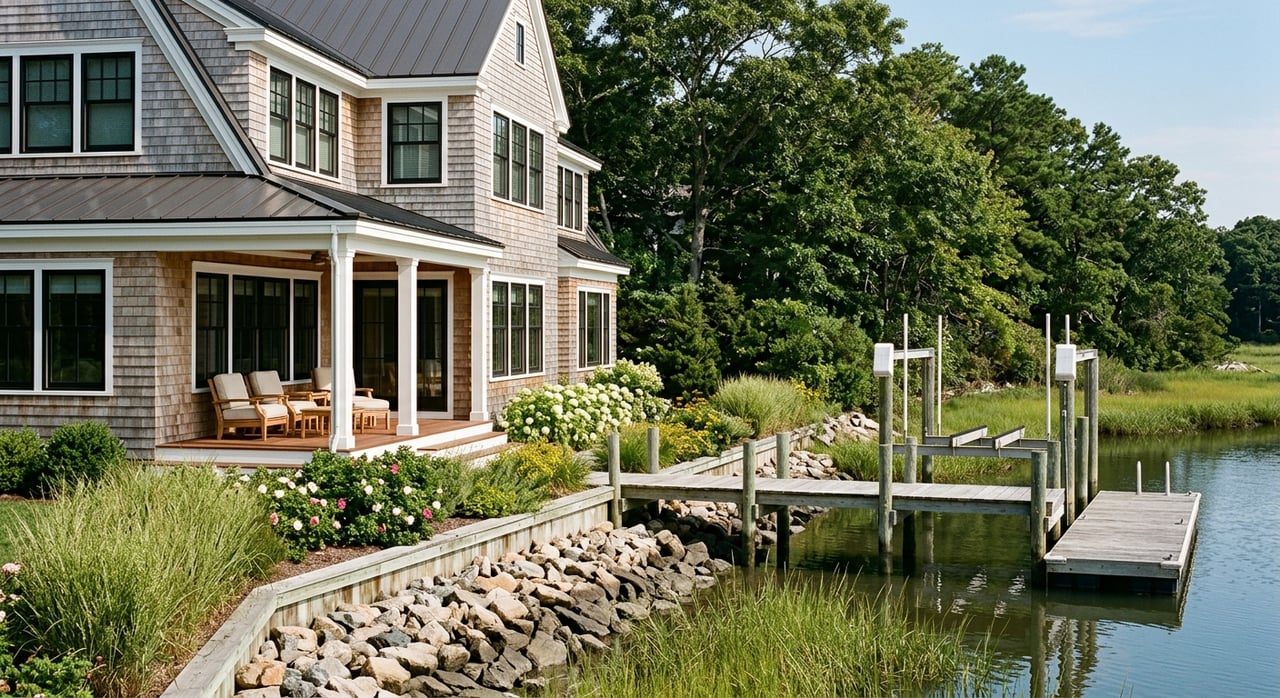
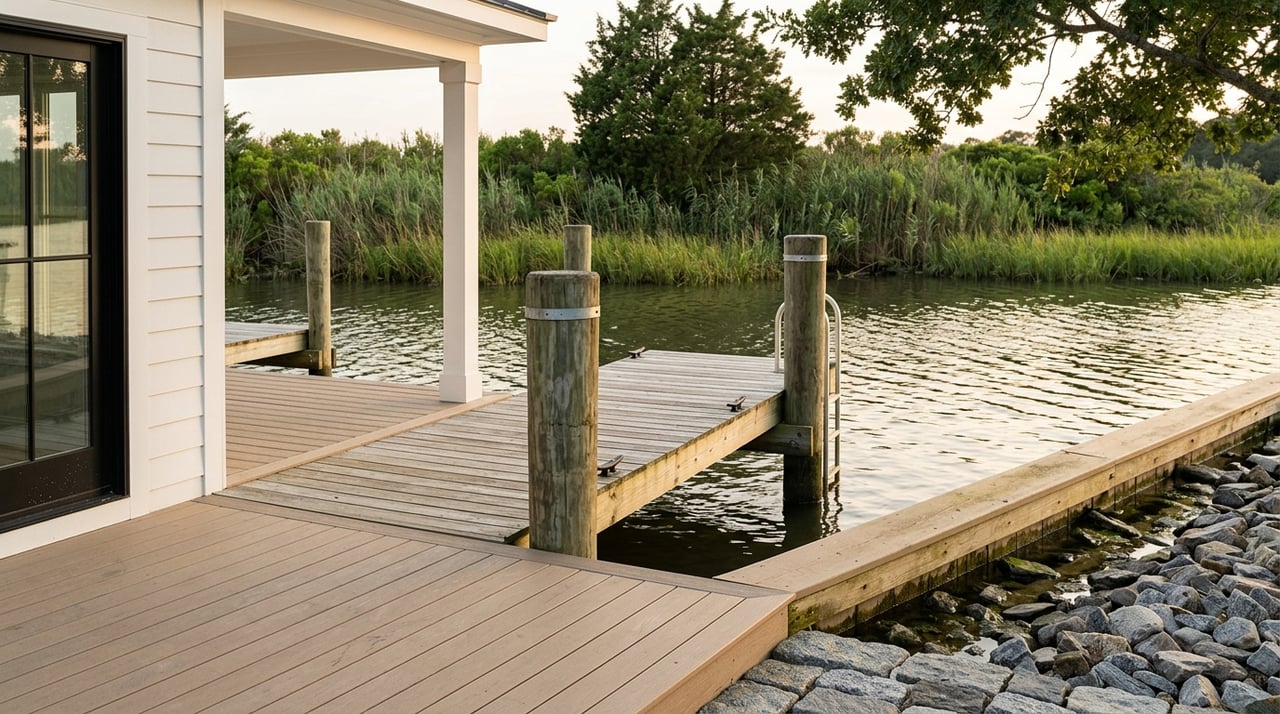
For many waterfront sales, one of the first questions is whether the pier, bulkhead, riprap, or other shoreline improvements were properly approved. In Middlesex County, the Wetlands Board reviews permits for tidal-wetland alterations, including projects involving piers, boat ramps, boathouses, marinas, and riprap revetments.
If your property has any shoreline work, gather the paperwork early. Buyers and lenders may want to know not only what was built, but whether the permit trail is complete. This can be especially important for older improvements where records may not be easy to find at the last minute.
Middlesex County also notes on its building permit fee schedule that fees can be doubled if work starts before a permit is issued. While that does not tell you whether a past project had an issue, it is a good reminder to confirm the status of any previous work before your listing goes live.
The county zoning materials also explain that local permits may depend on approvals from agencies such as the Wetlands Board, VMRC, the State Water Control Board, VDH, and the U.S. Army Corps of Engineers. In practice, that means your listing packet should include more than a photo of the finished dock. It should include whatever approvals and records you have for the work.
Records to gather before listing
- Pier, dock, or bulkhead permits
- Wetlands or shoreline approvals
- Invoices or contracts for completed work
- Surveys showing shoreline improvements, if available
- Any records tied to riprap, boat ramps, or related structures
Organize septic and well documents
Many waterfront homes in the Urbanna area rely on private septic systems and wells. Even when a transfer does not require certain tests, buyers often ask for documentation because they want a clearer picture of how the property has been maintained.
The Virginia Department of Health says it does not require well-water testing for a property transfer, but it does recommend testing private wells for key indicators, including bacteriological concerns and nitrates. It also notes that added testing can be wise after flooding or if water quality changes. For a waterfront home, recent well information can help answer questions before they slow down a deal.
On the septic side, VDH states that household septic tanks are generally recommended to be pumped every three to five years. In Chesapeake Bay Preservation Areas, pump-outs are required at least every five years or may be satisfied by an accepted inspection report. That makes recent pump-out receipts or inspection records especially useful when you are preparing to sell.
Helpful well and septic paperwork
- Septic construction or operation permits
- Septic pump-out receipts
- Septic inspection reports
- Well logs
- Recent water-test results
If you need help locating records, the Middlesex County Health Department through the Three Rivers Health District is the local environmental health contact for well and septic records.
Review flood and disclosure issues early
Flood questions are common with any waterfront property, and they should be handled early. Virginia’s Residential Property Disclosure guidance says the required notice must be provided before contract ratification, and there can be a limited buyer termination right if disclosures are delivered after ratification.
Virginia law also states that the owner makes no representations about whether the property is in a special flood hazard area or whether it has a wastewater system, and directs buyers to investigate flood maps and insurance needs for themselves. Even so, sellers are usually better served when they are organized and transparent with the records they do have.
One especially important item for waterfront owners is repetitive risk loss disclosure. Virginia requires a separate disclosure for repetitive risk loss, which is defined as two or more NFIP claims over $1,000 in a rolling 10-year period. If that could apply to your property, verify the history before you hit the market.
Flood documents worth pulling together
- Current or prior flood insurance information, if available
- Elevation certificate
- Floodproofing certificate
- FEMA-related map-change documents
- Records connected to prior flood claims or repetitive risk loss disclosure, if applicable
For flood-hazard lookup, FEMA’s Flood Map Service Center is the official public source. FEMA also notes that most homeowners insurance does not cover flood damage, which is why buyers often ask detailed questions about coverage options.
Expect buyer questions about waterfront systems
Waterfront buyers tend to be detail-oriented, especially if they are comparing multiple homes in riverfront and Chesapeake-connected locations. They may love the lifestyle, but they also want to understand the practical side of ownership.
Some of the most common questions include:
- Is the dock or pier permitted?
- Was the bulkhead or shoreline work approved?
- When was the septic system last pumped or inspected?
- Is there a recent well-water test?
- Is the home in a special flood hazard area?
- Are there any unresolved wetlands or permit issues?
If you can answer those questions early, your listing can feel more credible and easier to move forward with. That kind of preparation also helps reduce stressful scrambling once you are under contract.
Stage the home around the water view
In a place like Urbanna, the water is often one of the home’s biggest selling points. Your staging should help buyers notice it right away.
The National Association of Realtors reported that 83 percent of buyers’ agents said staging made it easier for buyers to visualize a home, while 49 percent of sellers’ agents said staging reduced time on market. For waterfront homes, the visual experience matters even more because buyers are often imagining weekends on the river, boating access, or a quieter second-home lifestyle.
NAR also recommends highlighting scenic views by opening window treatments and making sure sightlines are clear. That may mean removing heavy furniture, simplifying decor, cleaning windows, and trimming back anything that distracts from the water.
Smart staging moves for waterfront homes
- Clean every window and glass door
- Open blinds and curtains for showings
- Remove furniture that blocks water views
- Keep porches, decks, and dock areas tidy
- Minimize personal items so buyers focus on the setting
- Use light, simple decor that supports the view rather than competing with it
Invest in strong listing photos and video
Many buyers first experience a waterfront listing online. That is especially true in a market that can attract second-home buyers and out-of-area shoppers who may not tour immediately in person.
NAR research notes that photos, videos, virtual tours, and traditional staging are major listing tools. For a waterfront property, professional visuals should show not only the home, but also the relationship between the house and the water, including views, shoreline features, outdoor living areas, and access points.
A strong visual package helps buyers understand the lifestyle attached to the property. It can also help your listing stand out when buyers are comparing several homes from a distance.
Plan your timeline before peak pressure
If you are thinking about selling in the next 6 to 18 months, try to start the prep process early. Waterfront homes often need more documentation and more physical review than inland properties, so waiting until the last minute can create avoidable stress.
Because Urbanna’s appeal is strongly tied to river and marina access, many sellers want their homes looking sharp when boating season interest picks up. At the same time, NOAA identifies Atlantic hurricane season as running from June 1 through November 30, which is one more reason it can help to complete repairs, inspections, paperwork gathering, and photography before the busiest part of summer and storm season.
A practical pre-listing checklist
- Confirm permit records for docks, piers, and shoreline work
- Gather septic and well documentation
- Review flood-related records and required disclosures
- Clean up outdoor waterfront areas
- Stage rooms to emphasize views and natural light
- Schedule professional photography and video
- Talk through pricing, timing, and marketing strategy
Work with a local strategy
Selling a waterfront home in Urbanna is different from selling a standard property. You are marketing water access, shoreline improvements, documentation, and a lifestyle that buyers often travel here specifically to find.
That is why local guidance matters. When your marketing and prep plan are built around how buyers actually shop for Chesapeake Bay and Rappahannock River property, you are in a better position to tell the full story of your home.
If you are getting ready to sell and want a clear plan for pricing, preparation, and waterfront marketing, connect with Diana Wolfson. You will get practical guidance rooted in the local market and a thoughtful approach to presenting your property at its best.
FAQs
What should you fix before selling a waterfront home in Urbanna?
- Focus first on waterfront-specific items like docks, piers, bulkheads, shoreline condition, drainage concerns, and any deferred maintenance that affects the home’s presentation or documentation.
What documents do buyers want for an Urbanna waterfront home?
- Buyers often want permits for shoreline improvements, septic records, pump-out receipts, well information, water-test results, and any flood-related documents such as an elevation certificate if one exists.
Does a seller need flood information before listing a waterfront home in Virginia?
- Virginia requires certain property disclosures before contract ratification, and waterfront sellers should verify flood-history details early, especially if repetitive risk loss disclosure could apply.
How important is staging for a waterfront home in Urbanna?
- Staging can be very important because it helps buyers focus on the water view, natural light, and outdoor lifestyle features that often drive interest in this market.
When should you start preparing to sell a waterfront home in Middlesex County?
- Starting several months in advance is often helpful because waterfront sales may involve extra records, permits, inspections, repairs, and photography planning.