Are you trying to plan an Urbanna home search without being able to pop over for a quick weekend drive? You are not alone. Many buyers looking at Urbanna are balancing distance, timing, and a very specific lifestyle goal, whether that means a second home, a retirement move, or a waterfront retreat. The good news is that with the right plan, you can narrow your options, avoid wasted trips, and arrive ready to make smart decisions. Let’s dive in.
Why Urbanna works for remote buyers
Urbanna is well suited to an out-of-town home search because it is compact, waterfront-oriented, and easy to understand once you know the main property types. The town sits on the Rappahannock River where it meets Urbanna Creek, and its footprint is only about one-half square mile. That small scale can make remote planning more manageable than in a larger, more spread-out market.
Urbanna also has a distinct sense of place. Local planning materials describe a historic town core shaped by its colonial port history and later role as a summer resort. For buyers who want walkability to the waterfront, a marina, local events, and the feel of a traditional Chesapeake town, Urbanna offers a lifestyle that is often easier to picture from afar than a more scattered suburban market.
At the same time, small-town charm does not mean endless inventory. The town is largely built out, with only about 10 percent of land area still vacant. That makes preparation especially important if you are searching from out of town.
Start with three property buckets
Before you schedule a visit, it helps to organize your search into a few clear categories. In Urbanna, most remote buyers will get the most traction by comparing homes in three main buckets.
In-town cottages and historic homes
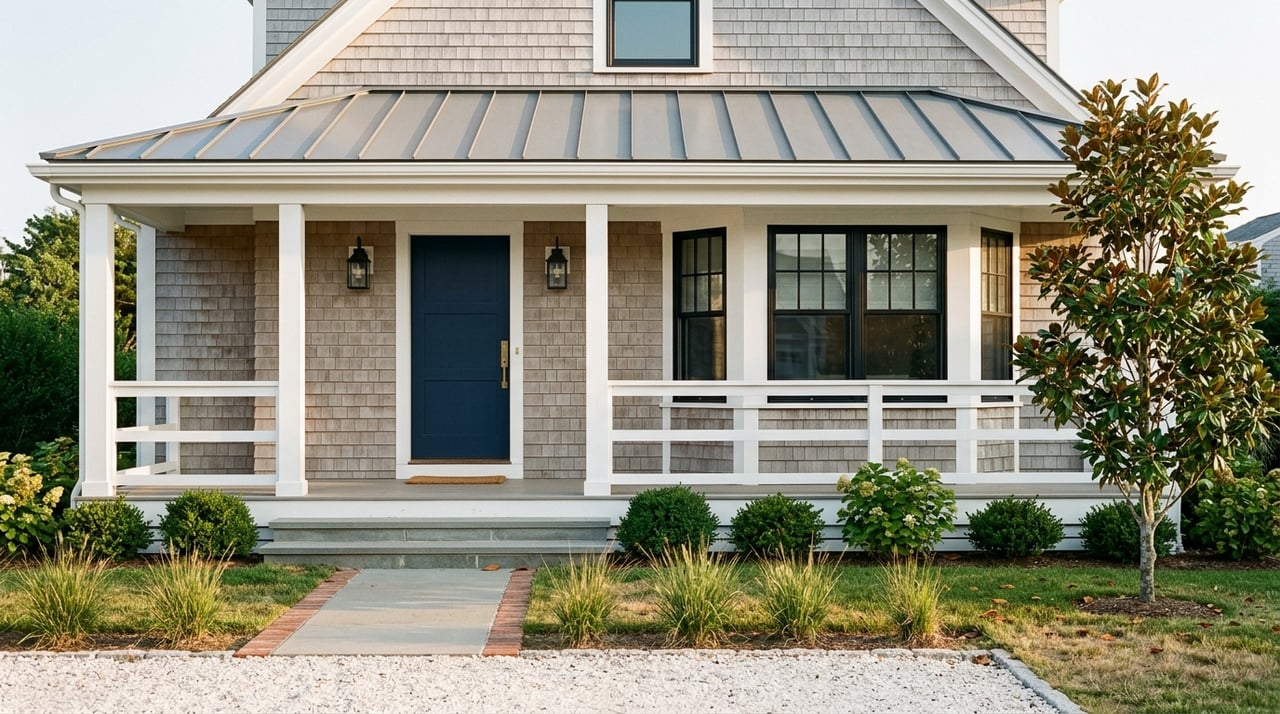
These properties appeal to buyers who want to be close to shops, the waterfront, and seasonal events. You may find smaller lots, tighter parking, and homes with older architectural details that add character. If the property is in a historic area, exterior changes may be subject to review under the town’s Historic Preservation Overlay District.
Waterfront and creek homes
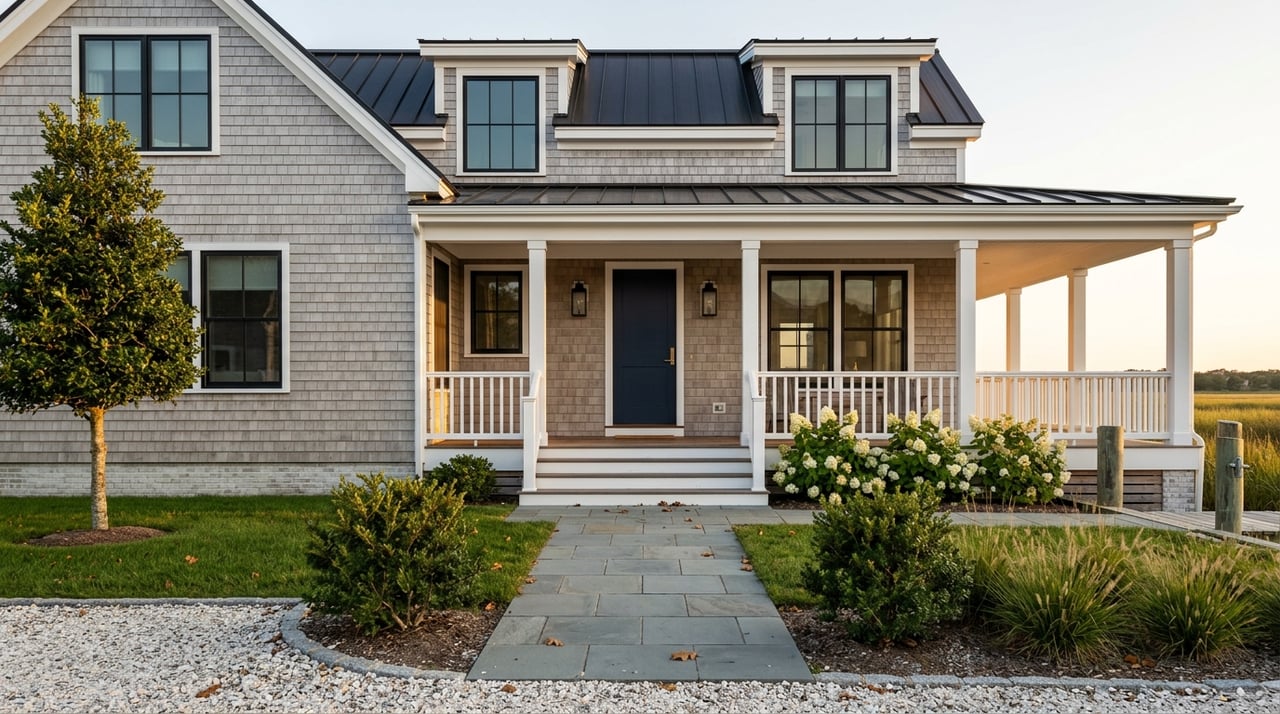
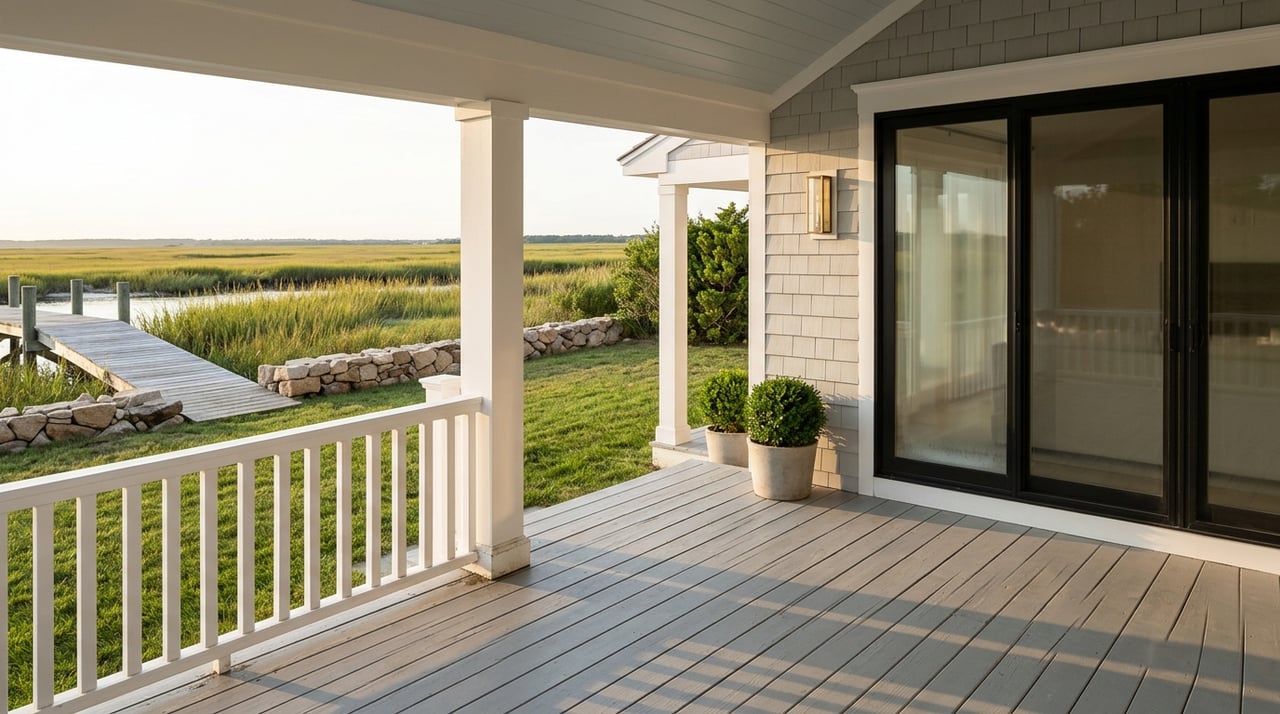
Waterfront homes often deliver the strongest lifestyle draw, especially if boating or water views are high on your list. They also require more upfront due diligence. Floodplain considerations, shoreline conditions, and access details matter more here than they might in a non-waterfront search.
Nearby rural homes and acreage
If you want more land, more privacy, or a different price-to-space tradeoff, properties outside the town core may be worth a close look. These homes can feel very different from in-town options. One of the biggest practical differences is utilities, since outlying properties are more likely to rely on wells and septic systems instead of town water and sewer.
Use local records before you travel
A smart remote search starts with public information, not just listing photos. Middlesex County offers property lookup tools, tax history, property cards, interactive GIS maps, and access to flood map information. These resources can help you screen homes before you spend time and money on an in-person trip.
This step is especially useful in a town like Urbanna, where zoning and overlay districts can affect how a property functions. The town points buyers to its zoning administrator and to the county building department for questions related to building and remodeling. That means your remote search should include practical questions about the property, not just visual appeal.
Before you book travel, try to confirm these basics for each serious contender:
- Whether the property is in a flood plain
- Whether it has town water and sewer or private systems
- Whether parking will meet your everyday needs
- Whether the property falls under historic or other overlay rules
- Whether access, lot layout, and utility setup fit your plans
Ask for more than a virtual tour
A video walkthrough is helpful, but in Urbanna, it should be only one part of the process. Because the town includes Chesapeake Bay Preservation, historic preservation, and flood plain overlay districts, remote buyers need a fuller picture of how a property works in real life.
That means asking for a document packet and a practical walkthrough, not just a highlight reel. You want to see where you park, how you enter the home, how close neighboring homes are, what the yard layout looks like, and whether there are visible waterfront or drainage concerns. Those details can make a big difference once you are on site.
A useful remote showing should help you answer questions like these:
- Is there enough parking for your household and guests?
- How easy is the home to access from the road or driveway?
- What is the utility setup?
- If the home is older, are there visible exterior features that may affect future changes?
- If it is waterfront, how does the shoreline and water access actually look?
Understand the tradeoffs in town
Urbanna’s appeal is real, but each property type comes with tradeoffs. Knowing them ahead of time can keep you focused and save you from touring homes that do not truly match your goals.
In-town homes often make it easy to enjoy the harbor setting, local events, and a more connected town experience. In exchange, you may give up lot size, parking flexibility, or some renovation freedom if historic rules apply. For many buyers, that is a worthwhile trade.
Waterfront homes can offer the classic Chesapeake lifestyle that draws so many people to the area. Still, local planning documents note that Urbanna is vulnerable to flooding from hurricanes and nor’easters. A beautiful view should always be balanced with flood map review and a realistic look at access and insurance considerations.
Rural properties outside town may provide the breathing room that some buyers want most. They can also require more planning around wells, septic systems, and day-to-day logistics. If you are comparing a cottage in town with a rural parcel nearby, this is often where the decision becomes practical rather than emotional.
Time your visit around the local calendar
When you search from out of town, the timing of your visit matters almost as much as the homes you tour. Urbanna has strong seasonal patterns, and they can affect how a property feels.
The town operates a seasonal trolley from July 1 through Labor Day. It also hosts the Oyster Festival in November, and town tourism materials say that event can draw roughly 60,000 to 70,000 visitors. During busy periods, roads, parking, and overall traffic can feel very different from what you would experience on a quiet weekday.
That does not mean you should avoid peak times. In some cases, visiting during a busier stretch gives you a better test of how the town functions when activity is high. If walkability, parking, and crowd levels matter to you, those seasonal conditions are part of the property evaluation.
Be realistic about a small market
Urbanna is a selective market, and that shapes how you should prepare. Recent listing snapshots suggest a thin inventory, with one report showing 15 homes for sale in April 2026 and another showing only three homes sold in its sample. Reported median price figures and days on market vary, but the larger takeaway is that this is a small market where each available property can matter.
For you, that means it is wise to get decision-ready before touring. Clarify your budget, identify your must-haves, and decide which tradeoffs you can accept. A focused buyer usually gets more out of a one- or two-day trip than someone trying to sort out priorities on the fly.
If you may rent the home
If part-time rental income is part of your plan, you need to account for local rules early. Urbanna’s short-term rental requirements are specific. The town requires a permit that is valid for one year, a 25-dollar application fee, proof of at least one million dollars in liability insurance, a business license, and lodging-tax compliance.
Parking also matters. The town requires one off-street parking space per bedroom for short-term rentals, along with occupancy compliance. If a home may serve as both a personal getaway and a rental property, this should be part of your first-round screening, not an afterthought.
A simple out-of-town search plan
If you want to make your Urbanna search feel more manageable, keep the process simple and structured.
Step 1: Define your lifestyle goal
Decide what matters most to you. Is it being able to walk into town, having direct water access, or getting more land and privacy nearby? A clear priority will help you sort listings faster.
Step 2: Narrow to top contenders
Group homes by property type and compare the practical differences. Pay close attention to floodplain status, parking, utility type, and location within or outside town.
Step 3: Review records and documents
Use Middlesex County tools and town guidance to understand the basics before travel. This is the stage where hidden deal-breakers often appear, which is helpful when you are searching from a distance.
Step 4: Request live video walkthroughs
A live showing can answer far more than photos can. Ask to see the road approach, parking, yard, waterfront edge if applicable, and any exterior conditions that may affect your plans.
Step 5: Plan one efficient visit
Once you have narrowed the list, schedule an in-person trip with purpose. Touring a small group of well-vetted homes is usually more productive than trying to see everything at once.
Local guidance makes remote buying easier
Buying from out of town works best when you have someone who understands both the market and the lifestyle choices behind it. In a place like Urbanna, the difference between a great fit and a frustrating one often comes down to details that are easy to miss online.
That is why local knowledge matters so much. From understanding the feel of the historic core to spotting practical issues tied to waterfront, parking, utility service, or seasonality, the right guidance can make your remote search feel less stressful and more confident.
If you are planning an Urbanna home search from out of town, Diana Wolfson can help you narrow the options, coordinate smart virtual showings, and make the most of your trip to Virginia’s Chesapeake Bay.
FAQs
What should you check before traveling to see a home in Urbanna?
- Before you travel, confirm flood plain status, parking, utility type, and whether the property may be affected by historic or other overlay rules.
How does an in-town Urbanna home differ from a nearby rural property?
- In-town homes may offer closer access to waterfront amenities and town services, while nearby rural properties may offer more land and privacy but often rely on wells and septic systems.
What should waterfront buyers in Urbanna focus on first?
- Waterfront buyers should focus on floodplain review, shoreline conditions, water access, and how the site functions day to day.
When is the best time to visit Urbanna in person?
- The best time depends on what you want to test, since summer and festival periods can show you how traffic, parking, and town activity feel during busier times.
What are the short-term rental rules for a home in Urbanna?
- Urbanna requires a short-term rental permit, a business license, lodging-tax compliance, proof of at least one million dollars in liability insurance, and one off-street parking space per bedroom.